March 30, 2026
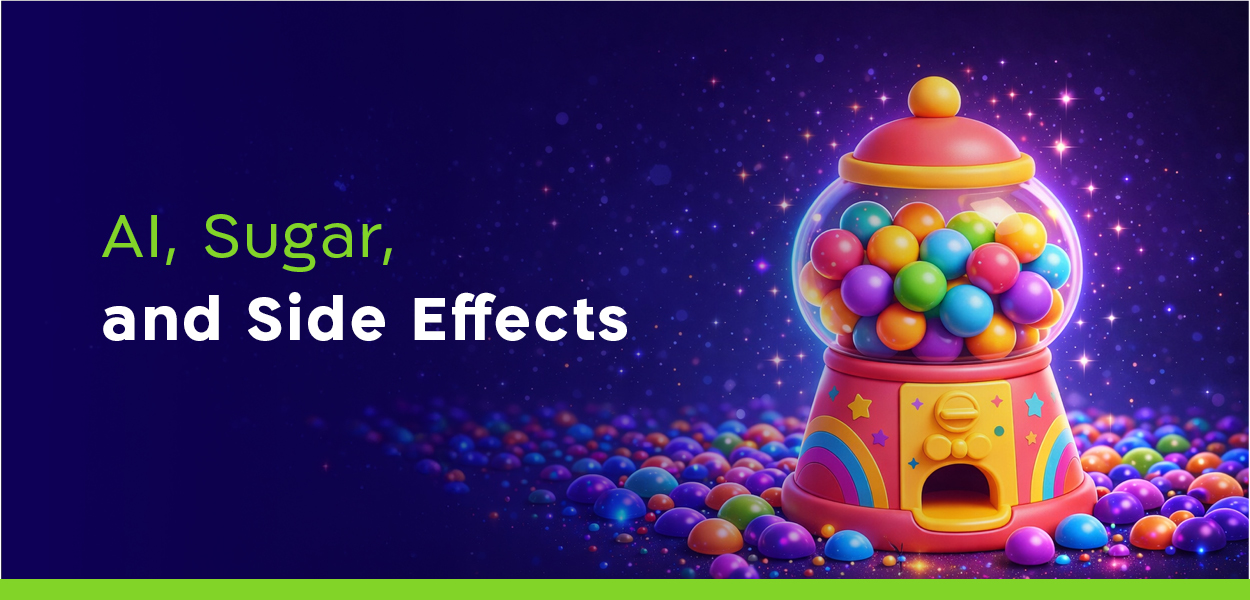
In a world of endless AI possibilities, the real challenge is knowing how to choose the right tool for your specific needs. A few minutes ago (in my imagination), I walked into a massive candy store. The shelves were packed—colors, flavors, gimmicks. Every item promised, “I’m the best.” At first, it feels like you’ve found a paradise of solutions. But after a moment, your focus starts to scatter, the choice becomes harder, and your heart beats a little faster.
That’s exactly what’s happening today in the world of AI. An abundance of options doesn’t make decisions easier—it makes them more challenging. Because when you need to choose the right tool, the question is no longer “Which tool is popular?” but rather “How do I make a decision that truly serves my goal?”
Why More Tools Don’t Always Help
The problem with abundance isn’t the technology itself-it’s understanding what we’re actually trying to solve.
Every tool can look appealing. It can offer automated writing, visual creation, smart diagrams, marketing content, advanced research, and more. But without a clear process, it all becomes noise.
Like a child in a candy store who can only choose two candies before checkout, we need selection tools-not just solution tools.

How to Get It Right (Without a Sugar Overdose)
When we work with B2B brands, we always come back to a simple question:
What do our customers really need? And what is our business goal?
Once the goal is clear, the abundance of tools stops being overwhelming. It becomes a repertoire of solutions tailored to what’s needed—instead of what’s possible.
- The key is: Define the need, not the tool
- Before choosing an AI tool, start with the question: What outcome am I trying to achieve? What does success look like?
- Build a decision framework
Don’t let every shiny new idea set the pace. Create a structured set of questions and criteria that connect to real KPIs. - Don’t lose the human context
AI is the result of human creativity-not the answer itself.

So What Does Choice Look Like in Practice?
If we go back to the candy store-not every candy fits every moment.
The same goes for AI. There are great tools for every task, but the choice doesn’t start with the tool’s name—it starts with the need.
For example:
When I need to generate text, I usually work with ChatGPT or Gemini. Both are fast and powerful, but the choice depends on tone, precision, and the outcome I’m aiming for.
When it comes to visuals-surprisingly-ChatGPT delivers great results as well. Gemini (especially Nano Banana) excels when combining existing products, and in other cases, I like working with Midjourney or Artlist-each offering a slightly different level of control and style.
For animation, I often use Freepick and Gemini-especially when I need fast solutions without fully compromising on quality.
For voiceovers, ElevenLabs is almost always my go-to, delivering results that sound more natural and accurate for most use cases.
And for music, while you can generate it with Suno, if you’re not a professional musician, it’s often more efficient to use platforms like Freepik, which now offer a solid and user-friendly music feature.
In practice, we almost never rely on a single tool. The real choice is always a combination-between multiple tools, and between those tools and human thinking that connects them.
So the real question isn’t “Which tool is the best?”
It’s “Which combination of tools serves the goal most effectively?”
What Actually Makes It Work
Earlier, I mentioned a confused child in a candy store. But the one who really knows how to choose isn’t the child-it’s someone with experience, knowledge, and an understanding of what to look for.
Behind every valuable AI tool are people: developers, researchers, creators, designers-those who know how to connect technology to real business needs.
They’re the ones who give these tools meaning. Without human intention, context, and strategy-even the most advanced tools won’t lead to real results.
AI is not magic. It’s the outcome of accumulated human creativity.
The Real Choice
In an age of abundance, the advantage isn’t the newest AI tool.
The advantage lies in the ability to:
- Choose wisely
- Execute with understanding
- Stay focused on clear, business-driven goals
Because in the end-AI is like a candy store:
the more options you have, the smarter your choices need to be.
And that’s the difference between using tools-and thinking with them.