The BL[OZ]

AI, Sugar, and Side Effects
By
Dorin Peleg
, 30/03/2026
AI isn't a magic fix; it’s an endless candy store where it’s easy to get lost in the noise. Discover why a surplus of tools makes selection your biggest strategic challenge, and how to shift from chasing "the next shiny thing" to a purposeful process that puts business goals before technology.
Why More Tools Don’t Always Help
The problem with abundance isn’t the technology itself-it’s understanding what we’re actually trying to solve. Every tool can look appealing. It can offer automated writing, visual creation, smart diagrams, marketing content, advanced research, and more. But without a clear process, it all becomes noise. Like a child in a candy store who can only choose two candies before checkout, we need selection tools-not just solution tools.
How to Get It Right (Without a Sugar Overdose)
When we work with B2B brands, we always come back to a simple question: What do our customers really need? And what is our business goal? Once the goal is clear, the abundance of tools stops being overwhelming. It becomes a repertoire of solutions tailored to what’s needed—instead of what’s possible.- The key is: Define the need, not the tool
- Before choosing an AI tool, start with the question: What outcome am I trying to achieve? What does success look like?
- Build a decision framework Don’t let every shiny new idea set the pace. Create a structured set of questions and criteria that connect to real KPIs.
- Don’t lose the human context AI is the result of human creativity-not the answer itself.

So What Does Choice Look Like in Practice?
If we go back to the candy store-not every candy fits every moment. The same goes for AI. There are great tools for every task, but the choice doesn’t start with the tool’s name—it starts with the need. For example: When I need to generate text, I usually work with ChatGPT or Gemini. Both are fast and powerful, but the choice depends on tone, precision, and the outcome I’m aiming for. When it comes to visuals-surprisingly-ChatGPT delivers great results as well. Gemini (especially Nano Banana) excels when combining existing products, and in other cases, I like working with Midjourney or Artlist-each offering a slightly different level of control and style. For animation, I often use Freepick and Gemini-especially when I need fast solutions without fully compromising on quality. For voiceovers, ElevenLabs is almost always my go-to, delivering results that sound more natural and accurate for most use cases. And for music, while you can generate it with Suno, if you’re not a professional musician, it’s often more efficient to use platforms like Freepik, which now offer a solid and user-friendly music feature. In practice, we almost never rely on a single tool. The real choice is always a combination-between multiple tools, and between those tools and human thinking that connects them. So the real question isn’t “Which tool is the best?” It’s “Which combination of tools serves the goal most effectively?”What Actually Makes It Work
Earlier, I mentioned a confused child in a candy store. But the one who really knows how to choose isn’t the child-it’s someone with experience, knowledge, and an understanding of what to look for. Behind every valuable AI tool are people: developers, researchers, creators, designers-those who know how to connect technology to real business needs. They’re the ones who give these tools meaning. Without human intention, context, and strategy-even the most advanced tools won’t lead to real results. AI is not magic. It’s the outcome of accumulated human creativity.The Real Choice
In an age of abundance, the advantage isn’t the newest AI tool. The advantage lies in the ability to:- Choose wisely
- Execute with understanding
- Stay focused on clear, business-driven goals

The Secret to a Winning Dish: Building a B2B Presentation That Drives Results
By
Efrat Hemsi
, 02/03/2026
A B2B presentation isn't just a slide deck; it's a strategic business asset. Learn why crafting a presentation is like preparing a gourmet meal, and why strategy must always come before design to seal the deal.

Strategy first. Design second.
One of the most common mistakes I see is jumping straight into design. Colors, icons, layouts, before anyone stops to ask the questions that actually affect outcomes:- Who is the audience?
- What action do we want to happen at the end of this presentation?
- What is the one message every slide must deliver?

Simplicity wins. Story connects.
Especially in complex B2B environments, simplicity is a real competitive advantage.- One slide = one idea
- Less content = more clarity
- A strong story = decisions happen
Presentations that generate real business results
A good presentation doesn’t just look good. It works for the business.- Drives sales by translating complexity into clear value
- Attracts investors by building credibility and highlighting potential
- Accelerates onboarding by helping teams quickly understand what matters
- Strengthens the brand by projecting professionalism and consistency

A presentation is a business tool, not a graphic file
A presentation keeps working even when you’re not in the room.- It gets passed along to decision makers you never meet
- It creates an internal narrative inside the organization
- It reinforces the brand over time
Turning presentations into a growth engine
A presentation becomes a strategic asset when it:- Connects the audience to the solution, not just the company
- Communicates value clearly, even in complex industries
- Supports the customer throughout the decision journey
- Maintains brand consistency at every touchpoint

So before serving the dish, a quick recap:
- Start with strategy, not visuals
- Simplicity and a strong story beat overload
- Measure presentations by outcomes, not aesthetics
- It’s a business tool, not a design file

B2B Design & Tech Trends 2026: From Visual Appeal to Strategic Experience
By
Amit Sakal
, 12/01/2026
In 2026, B2B design is more than just a modern look—it’s a strategic engine for clarity. Discover the six key shifts, from Hybrid Intelligence to Vibe Code, that help users understand complex products and drive faster decisions.

Multi-Sensory Experiences & Hybrid Intelligence When design is felt, not just seen
2026 marks a clear shift from purely visual design to multi-sensory digital experiences. After years of screen fatigue, users crave interfaces that feel richer, more immersive, and more human. Even in digital environments, design now aims to evoke sensations associated with touch, depth, motion, and materiality. This is where Hybrid Intelligence: the collaboration between AI and human creativity becomes a powerful driver. AI is deeply embedded into the creative workflow:- Generating visual directions and variations
- Exploring textures, motion, and spatial depth
- Accelerating experimentation and ideation
- Soft, tactile, and inflated textures
- Hyper-realistic objects combined with playful distortions
- Subtle motion that suggests weight, resistance, and flow
- Interfaces that feel immersive rather than flat

Glassmorphism, Evolved Transparency as a system, not a decoration
Glassmorphism continues into 2026 - but in a more mature and intentional form. What once appeared as a visual trend is now becoming a functional design system used to manage hierarchy, density, and focus. In B2B interfaces especially, where dashboards, data layers, and dense content are common, glass-like surfaces help:- Separate layers without heavy borders
- Maintain context while guiding attention
- Create depth without visual noise

Vibe Code & Self-Serve UX Design that explains before sales ever enter the room
Modern B2B buyers don’t want to be sold to first - they want to understand. In 2026, the most effective B2B experiences are built around self-serve exploration:- Interactive demos
- Calculators and simulators
- Product explorers and configurators
- Guided journeys that adapt to user intent
- Answering questions before they are asked
- Allowing users to test scenarios on their own
- Building confidence before human interaction

White, Minimalism & Visual Calm Less noise, more authority
White and near-white palettes dominate B2B design in 2026, not as an aesthetic trend, but as a strategic choice. Minimalist layouts, generous spacing, and visual restraint are essential when:- Products are complex
- Messages need credibility
- Decisions carry high business impact

Dynamic Personalization at Scale One interface, many audiences
B2B audiences are rarely uniform. Different roles, industries, regions, and levels of expertise require different messaging and in 2026, design finally reflects that reality. Interfaces are becoming more adaptive:- Content shifts based on industry or role
- Messaging adjusts to user behavior or entry point
- Visual emphasis changes according to intent

Design as a System, Not a Page Modular, scalable, and built for growth
In 2026, strong B2B design is rarely page-based. It’s system-based. Design systems evolve to support:- Rapid scaling across products and markets
- Consistency across platforms and touchpoints
- Faster iteration without breaking brand integrity
Closing Thought
Design in 2026 is not about trends for the sake of trends. It’s about using design to reduce complexity, build trust, and create meaningful experiences in an increasingly technical world. For B2B brands, the opportunity is clear: Those who treat design as a strategic layer - not a visual afterthought — will lead the conversation, not follow it.
Why not build your own tools? It’s Easier Than You Think
By
Nevo Levin
, 29/12/2025
AI can generate code in seconds, but building an internal tool that fits your exact workflow is where the real value lies.
What if I told you that the internal tools you use today don’t have to come from a plugin, an off-the-shelf system, or a solution that doesn’t quite fit?
And what if the most precise tools for your workflow are the ones that don’t even exist yet—until you build them?
In recent years, something profound has been happening quietly. Internal tools—those that once required developers, endless work hours, and a significant budget—have suddenly become accessible to everyone. AI is not just changing the way we work; it’s changing who can build the tools we work with.
Systems that used to be massive projects can now be built within hours. The person writing the brief can become the one creating the solution. Internal tools no longer have to be bought off-the-shelf or from an external vendor. They can be born out of a daily process, a recognized need, and a deep understanding of how we actually work.
This is exactly what happened with us. Time and again, we discovered that a certain process was stalling us, that communication was dragging, or that a small action was turning into a major task. So, instead of searching for a plugin that "sort of" fits, we built tools that were precise for us: a task-sharing system for clients, an email signature generator based on an existing design, custom forms, and finally, a QA tool that grew from a small idea into a system that works on any website.

When the Process Needs a Tool, Not Another Meeting
In most projects, the problem isn’t the people or the understanding. The problem is the tools—or more accurately, the lack thereof.
We learned long ago that the solution to ambiguity isn't another meeting or another document. Sometimes, all you need is a small tool that organizes reality right where the process gets stuck.
That’s how we started building our own internal tools with AI.
No heavy systems, no generic plugins; just solutions born from our real needs and those of our clients. Just as we build websites for our clients, we began designing our own internal work processes.
During the past year, we created several internal tools using AI, including:
-
A task sharing and tracking system between clients and the team.
-
An email signature generator that creates a customized version for every user.
-
Interactive forms for various clients as needed.
-
A visual QA system that operates directly on the website.
-
A smart system for creating digital business cards.
Every one of these tools was born from the same point: a small pain point that grew. AI made the development of these solutions simple, fast, and accessible.
This is perhaps the greatest AI revolution. It allows businesses like ours to build internal tools that were previously reserved for corporate giants. Today, you can create a precise solution the moment it's required, instead of adapting to what already exists.
How a Small Idea Became a Plugin That Works on Any Site
It all started with a pain point familiar to every digital team: scattered comments, long review cycles, endless question marks, and conversations that lead to no clear conclusion. So, we built a tool.
We opened ChatGPT and described the experience we wanted, rather than the code. From there, we began to refine and improve.
Within days, a QA plugin was born that felt like working inside Figma, only it takes place on the live website. No documents, no infinite calls, and no guessing. Just pins on the screen and comments appearing exactly where they need to be.

See How Simple It Is
When the QA layer is activated, the website becomes a workspace.
A click adds a pin. A pin opens a card. A card allows you to write a comment, add a small image, mark a status, or have a brief chat between team members.
No files, no links, no mess.
To keep things organized, there is also a side panel that aggregates all comments. You can filter by status, toggle between colors, jump to a specific point, and see thumbnails that provide context.
Everything is clear and easy to understand. That’s the beauty of it: a good tool doesn’t have to be heavy. It has to be precise.
The Future of Internal Tools Starts Here
The most significant takeaway isn't necessarily the plugin itself, but the new approach.
AI allows every business to build precise internal tools tailored to how they actually work.
No heavy systems, no forced adaptations, and no long development processes.
Instead of adapting ourselves to existing tools, we are starting to design the tools around us. Processes that were cumbersome become simple. Communication that was once overloaded becomes direct. And what used to be "that's just how it is" becomes "this is how we decided it should be."
It’s not just a matter of efficiency; it’s independence. The ability to build tools in real-time, without waiting and without external dependencies.
AI opens a new possibility where every small idea can become a real tool that advances the company, strengthens processes, and allows us to work smarter every single day.

Design as an Anchor in a World of Constant Disruption
By
Amit Sakal
, 19/11/2025
When the market shifts fast, design becomes your anchor—creating clarity, stability, and trust at every touchpoint.

Why design matters now more than ever
In the B2B world, design has often been treated as an afterthought, something that comes after strategy, product, or pricing. But that view is outdated. Design today does something deeper. It shapes how people feel about your brand, before they even read a word or see a product demo. When the world outside feels unpredictable, a clear and consistent design system becomes your anchor. It tells your customers: “We know who we are, and we’re not going anywhere.” Consistency across your website, social channels, trade shows, and sales decks helps people navigate complexity without getting lost. It’s like a compass - helping them find their way back to you, no matter how much the landscape shifts
Stability and innovation aren’t opposites
Here’s the misconception: that consistency limits creativity. In reality, good design gives innovation a safe place to land. Take IBM. They’ve reinvented themselves countless times - from hardware to cloud to AI, but their design DNA has stayed recognizable: bold typography, clean grids, and that unmistakable IBM blue. The message? Technology evolves, but our foundation is steady. Or Siemens. They operate in industries that are changing by the minute - energy, healthcare, infrastructure, yet their design system ties everything together. It’s what makes them feel like one brand, no matter where you meet them in the world. And Adobe, a masterclass in transformation. They moved from selling software boxes to building creative ecosystems in the cloud. Now they’re redefining creativity with AI tools - but the red square, the simple geometry, and the minimal style haven’t changed. That visual continuity made it easy for their customers to follow them through every pivot. These brands prove a simple truth: Consistency in design doesn’t stop innovation. It makes innovation trustworthy.
What B2B brands should take from this
Many industrial or tech companies still believe design is “just aesthetics.” They assume customers only care about ROI, performance, or reliability. But customers are human. And humans notice design - even subconsciously. A strong design system sends emotional signals of stability and confidence. It helps people trust your innovation, not fear it. So if you want to build long-term relationships, treat your design system as your North Star:- Keep it consistent across every touchpoint.
- Use it to simplify complexity, not add to it.
- Let it evolve, but never drift away from your brand’s essence.
The AI twist
Now that AI can generate visuals, videos, and brand assets in seconds, design systems matter more than ever!. Without clear guidelines, AI will create a hundred different versions of “you.” That’s not innovation - that’s confusion. Your design language gives AI the guardrails it needs to stay on-brand. So every ad, presentation, or post still feels unmistakably you - even if it was made by a machine.Final thought
When the world keeps changing, people look for what feels steady. In business, that steadiness often shows up through design. So ask yourself: When your company launches a new product or pivots strategy - will your customers still recognize you? Because in uncertain times, design isn’t just what people see — it’s what makes them stay.
Rules, Regulations & Medical Brands How your medical brand can stand out within the regulatory framework
By
Nirit Elyovich, MBA
, 15/08/2024
Balancing marketing ambition with regulatory compliance is no easy task for medical brands. Our latest blog explores how early collaboration between marketing and regulatory teams can transform these challenges into opportunities, ensuring your brand stands out while staying compliant. Discover the smart strategies to help your brand shine within the regulatory framework.

When the journey takes an unexpected turn
During branding strategy kick-off meetings, we take a deep dive into your product, technology, and service. We’re looking for a fresh perspective, a promise not yet made, a story yet to be told. At this point, we get excited as we hear about groundbreaking technologies, solutions, and life-enhancing, life-prolonging products. Our jaws drop. With this WOW feeling, we continue the learning process in which we talk to customers, analyze the competition, and create a multi-participant meeting within the company to fine-tune its significant and differentiated strengths and generate outstanding benefits for its customers. As the process continues, we begin to understand the regulatory limitations. Suddenly, “Cinderella”, your extraordinary technology is being held back by regulatory limitations and is covered with “soot”.
Understanding limitations and optimizing capabilities
During the process, we’ve heard “It’s a given” or “It's powerful, but I can't confirm it" more times than we can count. Responses like these made us understand there must be a better way. That’s how our new module was born. It’s placed right at the beginning of the branding strategy process, which sets the stage for an open and guided dialogue between marketing and regulatory early on.
Challenging the norms
This dialogue is about helping the marketing team to understand the limitations in depth, and for the regulatory team to delve into the marketing team’s needs. It’s an authentic dialogue that creates a space to carry out activities that weren’t possible before. Understanding the precise needs opens up new perspectives and enables solutions within the boundaries of regulations. We understand the importance of compliance, but our experience shows that there are many degrees of freedom that are not being tested.It’s not about overstepping the bounds of the approved claims, but we also don’t want to take a step backward in the name of conservatism.
Sometimes it's a matter of overall wording, sometimes it's just changing one word. It's the little things that make a big difference. Stopping to ask questions often gives you a competitive advantage. Sometimes, there won’t be any flexibility in the claims you make, but at least you’ll know that you’ve turned over every stone.
Structured and managed conflicts are an opportunity
Remember, whoever sits at the decision-making table wants the company to succeed and do the best they can. Inherently, conflict is not a negative; it can also be an opportunity. Don't let emotions run the process. As we often say, “Don’t be right, be smart!” As with every relationship where there’s an inherent conflict, there’s great value in professional guidance to create the conditions for a productive dialogue. To meet this need, we’ve created a special collaboration between OZ Global B2B and Leap, led by Moran Faibish, who has extensive experience in leading marketing in global medical companies. Moran has hands-on experience in bridging the gap between marketing and regulations to create deep and unique brand promises — promises that aren’t possible without providing an informed and professional framework that enables constructive communication.Play smart
The more we play smart within the regulatory limits to make the most of your claims, the more we can create a differentiated value proposition that more accurately reflects your breakthrough technology. This is how your brand will shine. We’ll be there every step of the way to guide the process, refine the messaging, and make sure your “WOW” comes through loud and clear. If you’ve nodded your head while reading this, it’s time for us to talk.


What is Business to Employee (B2E) and how can it impact your company?
By
Guy Toledano
, 01/10/2023
Business-to-Employee, or B2E, refers to the strategies and technologies that companies use to support and engage their employees. B2E covers everything from attracting, recruiting, training, and onboarding employees, to providing self-service solutions and individualized access to essential tools or software.
 B2E strategies can also be used to support specific departments or teams within a company, such as sales teams that need flexible access to customer information and sales tools. For example, a B2E portal might include a CRM system that allows sales reps to easily access customer data, create and track leads, and manage their sales pipeline.
There are many benefits to implementing a B2E strategy, including improved communication and collaboration, increased efficiency and productivity, and cost savings. By providing employees with the tools and resources they need to succeed, companies can create a more engaged and motivated workforce that is better equipped to meet the challenges of today's business environment.
Have a question? Want to learn more? Don’t hesitate to reach out!
B2E strategies can also be used to support specific departments or teams within a company, such as sales teams that need flexible access to customer information and sales tools. For example, a B2E portal might include a CRM system that allows sales reps to easily access customer data, create and track leads, and manage their sales pipeline.
There are many benefits to implementing a B2E strategy, including improved communication and collaboration, increased efficiency and productivity, and cost savings. By providing employees with the tools and resources they need to succeed, companies can create a more engaged and motivated workforce that is better equipped to meet the challenges of today's business environment.
Have a question? Want to learn more? Don’t hesitate to reach out!

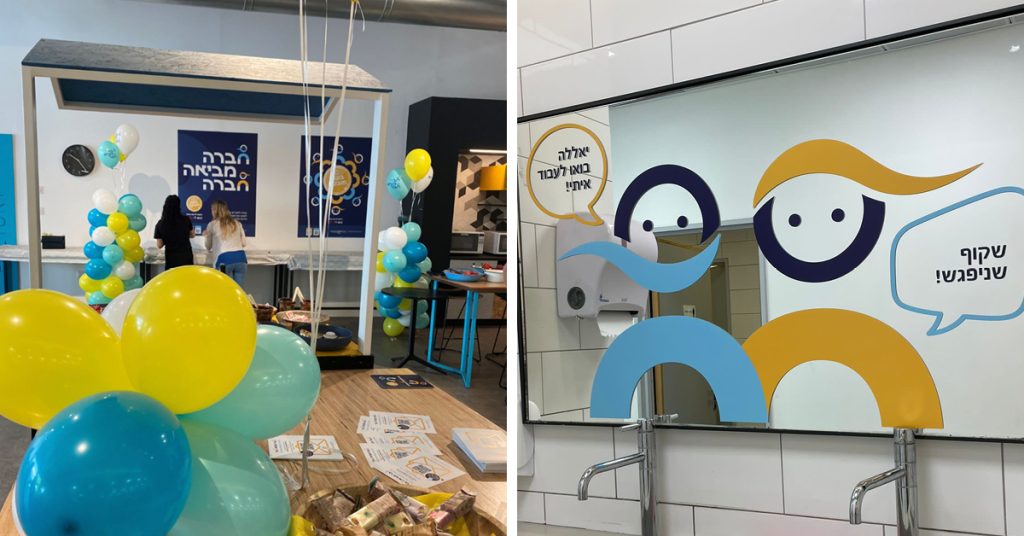
Maytronics - OZ Global B2B
Branding 101 – The Branding Process Explained
By
Inbar Telem
, 03/09/2023
Want to know the secret sauce of branding? Our latest blog post has it all! Learn how inspiration fuels our journey, how design brings brands to life, and how businesses evolve through effective branding. Click here to uncover the branding recipe for success!

Step One – How to Start the Branding Process for a Business?
The start is life itself, because every day we're exposed to hundreds of messages, ideas, videos, texts, and images. Later it all comes together, and our mind begin processing all these inspirations into new, original, and unique design and language for a specific client. At Oz, we make sure our team, in this case, our designers, is exposed to diverse content worlds and various content styles. This opens up their minds to creativity, from which different brands for different companies can blossom (even if they're in the same industry, they'll create something unique and original – that's the beauty of it!). The branding process for a business begins as a strategic process where we research and analyze the brand, the product, the company, or the service – and answer the age-old questions – what is the company's vision, what makes the company special, what customers expect, and what the competition offers. To differentiate the brand effectively, it's essential to examine competitors – what visual and textual language they use, what messages they convey to the world, and what their customers think of them. During this examination, we come across tons of content and inspiration on the web, and it's a fantastic process. All the research and in-depth analysis, combined with the ideas and inspirations, meld together to form the foundation of the brand – the unique value proposition, the narrative, the promise, and the brand's values.
Step Two – How to Implement the Branding Process?
This is the step everyone seems to be familiar with – the name, logo, fonts, color palette. Supposedly. Since everyone talks about this step, it's crucial to understand that without a solid foundation and thorough research, it won't work. The brand's cornerstones (based on the strategic messages, remember?) need to be creatively and visually translated into the brand's language – both in verbal elements (the brand's name and slogan) and visual elements (the logo, fonts, shapes, and colors). The brand's domain, characteristics, and values will be expressed through its visual appearance. Importantly, the design should not only be eye-catching but should also have longevity. Trends come and go, but your branding should remain stable for years. Our designers have the ability to translate the emotional world into the visual world, making your target audience express positive emotions, identify with your brand, and remember your look (for the next time they encounter you) – or in short, to create an impactful brand for you.
Step Three – How Does a Business Change as a Result of Branding?
So, we've gathered inspiration, worked with a professional branding agency (like OZ, ahem), researched, and analyzed, and the designers have prepared sketches. And the most exciting part – the management approved it! So now what? Implementation! At the end of the branding process and the creation of the brand's visual language, it's time to infuse it into every marketing and reputation aspect of the company. The new language will be applied across the board – on social networks, envelopes, outdoor signs and ads, physical offices, pens and notebooks – anything that comes to mind (and if it doesn't, our client managers have plenty of ideas). Effective design is measured by its versatility. If the base has a strong and focused idea, it will be clear how to continue and develop that into the brand's language in every format – digital and print.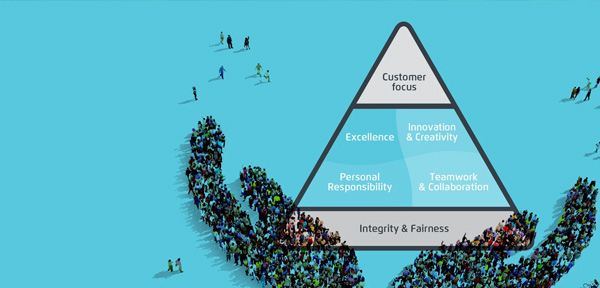
“Branding In” in International Branding
By
Dina Gidron
, 15/05/2017
The answer lies in understanding the clear link between your B2B brand and your employees’ connection to your brand promise
How can we ensure that we don’t lose or dilute our essential values and brand promise as we become a cross-continent corporation?
The answer lies in understanding the clear link between your B2B brand and your employees’ connection to your brand promise – no matter where they are in the world.By focusing on both implementing your brand in the global marketplace and strengthening your brand within your organization, you can more easily coordinate cross-continent corporate cultures and processes to define a common global branding language and presence that is consistently implemented across all touch points and markets.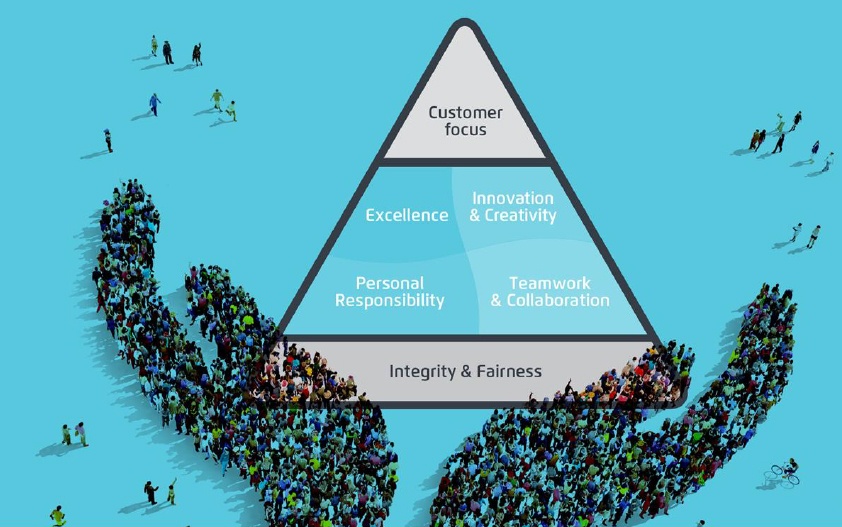 When Maytronics, a global leader in automated pool cleaning solutions, began to expand globally, the company looked for ways to build a strong and growing global brand while still maintaining a unique company culture, value, and DNA.
With a focus on its core values, Maytronics and Oz Branding began a worldwide organizational and branding process that included the enhancing of the internal company dialog to reinforce its brand promise of Exceptional Experience.
When Maytronics, a global leader in automated pool cleaning solutions, began to expand globally, the company looked for ways to build a strong and growing global brand while still maintaining a unique company culture, value, and DNA.
With a focus on its core values, Maytronics and Oz Branding began a worldwide organizational and branding process that included the enhancing of the internal company dialog to reinforce its brand promise of Exceptional Experience.

How B2B Brands Drive Sales
By
Orit Oz
, 14/05/2017
One of the most difficult parts of B2B branding is selling the brand to sales. Many B2B brands fail because they haven't been integrated into the sales force
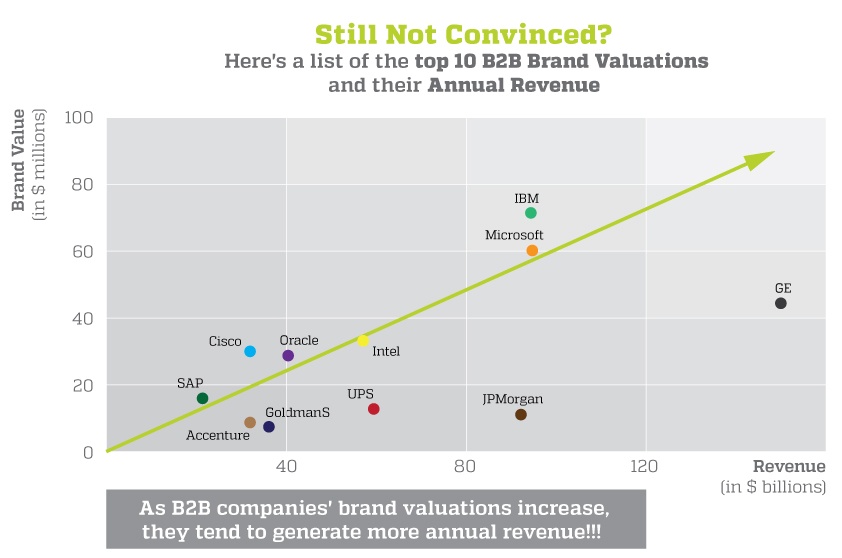
 Why would anyone want to spend an additional $31 million in purchase price for a brand alone? It's not just your average person who pays more for a brand. It's top-level executives too.
A 2012 McKinsey survey of more than 700 executives with substantial influence on supplier selection in the United States, Germany, and India found that consideration of the brand was a central decision when deciding whether or not to purchase.
The survey found that the brand was almost as important as the sales team in encouraging them to purchase.
Why would anyone want to spend an additional $31 million in purchase price for a brand alone? It's not just your average person who pays more for a brand. It's top-level executives too.
A 2012 McKinsey survey of more than 700 executives with substantial influence on supplier selection in the United States, Germany, and India found that consideration of the brand was a central decision when deciding whether or not to purchase.
The survey found that the brand was almost as important as the sales team in encouraging them to purchase.
 https://www.linkedin.com/pulse/global-b2b-brands-highest-brand-value-waldemar-pfoertsch
What can we learn from this? Well, for one, that B2B purchasers are human beings at the end of day. They are a lot less value-driven than they like to think, and heavily swayed by the brand, which helps them simplify evaluating the product.
https://www.linkedin.com/pulse/global-b2b-brands-highest-brand-value-waldemar-pfoertsch
What can we learn from this? Well, for one, that B2B purchasers are human beings at the end of day. They are a lot less value-driven than they like to think, and heavily swayed by the brand, which helps them simplify evaluating the product.
Getting the Sales Team on Board
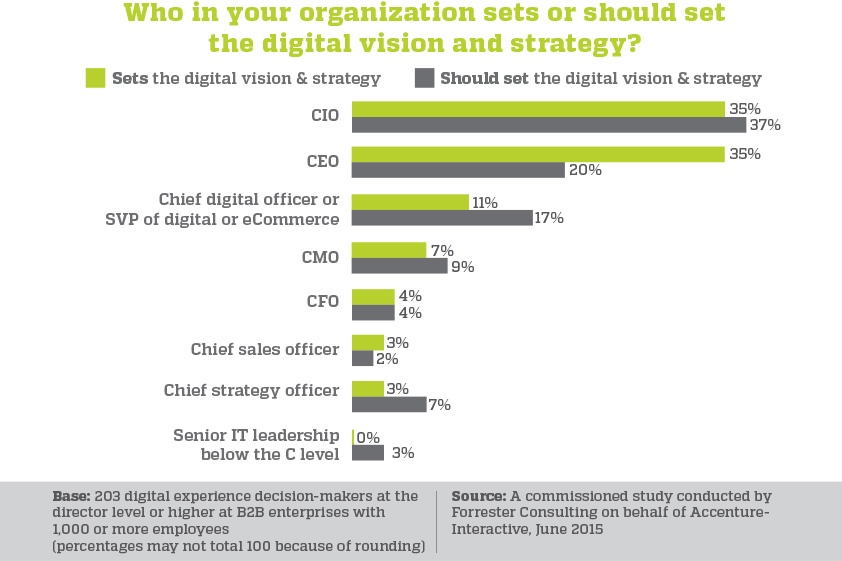 Despite the enormous added-value of a strong brand in a purchasing price, one of the most difficult parts of B2B branding is selling the brand to sales. Many B2B brands fail because they haven't been properly integrated into – and accepted by – the sales force.
To ensure that your brand is accepted by your salespeople, you'll want to make sure you're providing the answers to these questions:
Despite the enormous added-value of a strong brand in a purchasing price, one of the most difficult parts of B2B branding is selling the brand to sales. Many B2B brands fail because they haven't been properly integrated into – and accepted by – the sales force.
To ensure that your brand is accepted by your salespeople, you'll want to make sure you're providing the answers to these questions:
1. Are You Telling the Right Brand Story?
It can be helpful to first take a step back and reevaluate if your internal B2B brand story is the same of that of your customers. The same McKinsey study from above found that often the two audiences focused on completely different things --- B2B suppliers focused on sustainability, global reach, and corporate responsibility whereas customers focused on honesty, responsibility across the supply chain, and level of specialized expertise.2. Do Your Salespeople Understand What a Brand is?
Your salespeople need to understand that a brand is what happens before you enter a room and after you leave. It also provides a framework for communicating the values behind your company's product or service.3. Do Your Salespeople Understand How A Brand Can Help Them?
This is where "branding in" can be vital. "Branding in" connects the entire company to the brand promise and implements it in their day-to-day responsibilities. For starters, you'll need to make sure marketing and sales are communicating in the same language.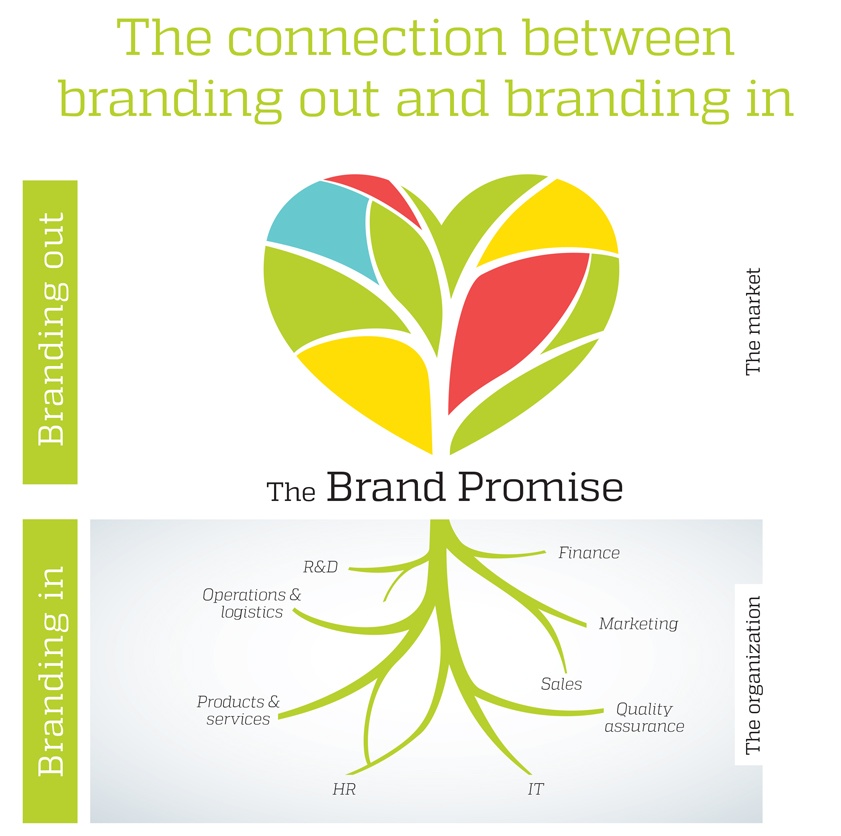 Consider a sales and marketing workshop, where salespeople explore the meaning behind the new brand and how it can help them be more successful. One practical exercise during the workshop might be to develop a pitch book – a sales tool that should communicate what the company does, why it does it, and why it is better than the competition. This time, however, you'll want to develop it through the perspective of a salesperson who understands the value, messages, and how to communicate the company's brand.
Witness Your Brand Increase Revenue
Align your sales and marketing together in building your brand by answering these questions as a company. Bring in experts to help you if possible (we know of a good one offhand) When all of the employees in your company, including the salespeople, are working together towards the same message, value, and goals, your brand value will start to climb, and your sales will too.
Your Employees as Your Main Brand Ambassadors
By
Dina Gidron
, 14/05/2017
Yes - your employees. They are one of the most important success factors of your brand implementation. They are your most significant brand ambassadors.
 To achieve this, you need to focus efforts on:
- Only recruiting employees who believe in what you believe in.
- Engaging your employees by creating a challenging and fulfilling work environment that encourages innovation and maintains a healthy work-life balance.

From Israel to Global: Lessons Learned in Building a Global Brand
By
Orit Oz
, 14/05/2017
Mr. Eyal Tryber,CEO of Maytronics and former CMO, talks about the lessons learned from his own first-hand experience, from building a global brand
 Let's start off with a bit of background about the company. A company with humble beginnings – it was founded on Kibbutz Yizreel in Northern Israel in 1983 – Maytronics has come a long way in the automated pool cleaning market. With over a billion shekels in market value, over 400 employees and operations in 46 countries and more than one million pool-cleaning robots sold, Maytronics is now a prosperous global company. The company is publicly traded both on the NASDAQ and the Tel Aviv Stock Exchange.
After going public in 2004, the company embarked on a new marketing strategy: creating anchors in strategic markets. Company branches were established in Argentina, the US, France, Australia and Spain. Their strategy paid off as the company began to achieve unprecedented growth. As it grew, however, new challenges arose. First, each company branch started to create its own multi-culture, which created tension between local and global brands. Secondly, as the company grew, it risked losing its unique Maytronics company culture – stemming from its humble Israeli kibbutz origin and culture.
Let's start off with a bit of background about the company. A company with humble beginnings – it was founded on Kibbutz Yizreel in Northern Israel in 1983 – Maytronics has come a long way in the automated pool cleaning market. With over a billion shekels in market value, over 400 employees and operations in 46 countries and more than one million pool-cleaning robots sold, Maytronics is now a prosperous global company. The company is publicly traded both on the NASDAQ and the Tel Aviv Stock Exchange.
After going public in 2004, the company embarked on a new marketing strategy: creating anchors in strategic markets. Company branches were established in Argentina, the US, France, Australia and Spain. Their strategy paid off as the company began to achieve unprecedented growth. As it grew, however, new challenges arose. First, each company branch started to create its own multi-culture, which created tension between local and global brands. Secondly, as the company grew, it risked losing its unique Maytronics company culture – stemming from its humble Israeli kibbutz origin and culture.
Bridging Gaps in Cultural Differences While Sustaining Continuous Growth
And thus, Maytronics embarked on an international organization process with Oz. Oz carried out this process in two ways. First, it enhanced the company dialog in order to form one distinct Maytronics company culture. This in turn helped build a strong global brand with a highly committed team located all over the world. Or as Tony Hsieh, CEO of Zappos put it: "We believe that your company's culture and your company's brand are really just two sides of the same coin." In order to form this distinct company brand and culture, Oz and Maytronics brainstormed together a list of its core values, applying the "Golden Circle" concept of Simon Sinek. According to this concept, products (the what) and the development (the how) serve to achieve a company purpose (the why). This also assists in creating an understanding of the company's competitive edge in the marketplace.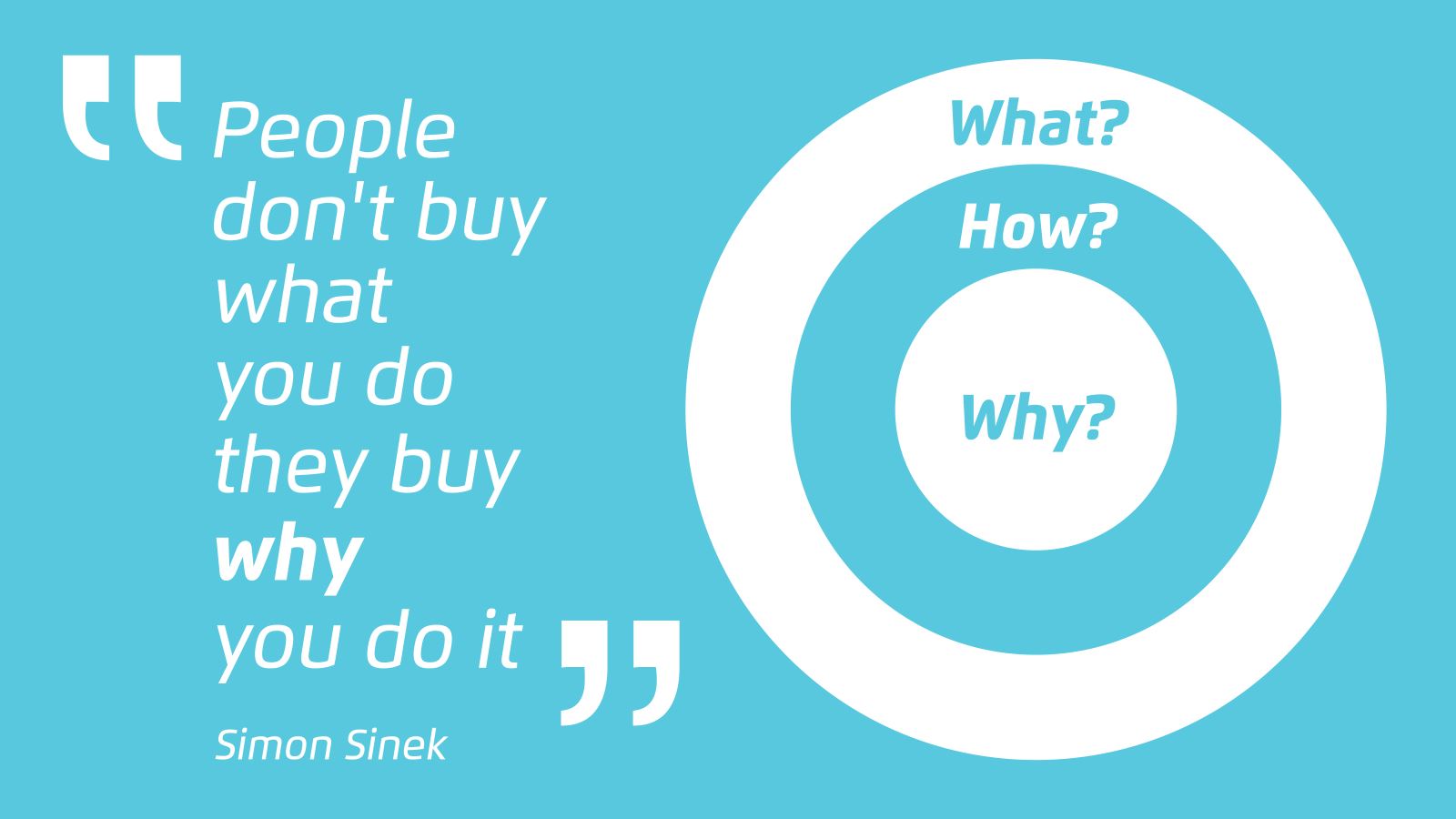 What are Maytronics' core values? Most importantly, the company believes in focusing on the customer. Along with this are professional values of integrity and fairness. Together these are the internal values, or company culture, of Maytronics.
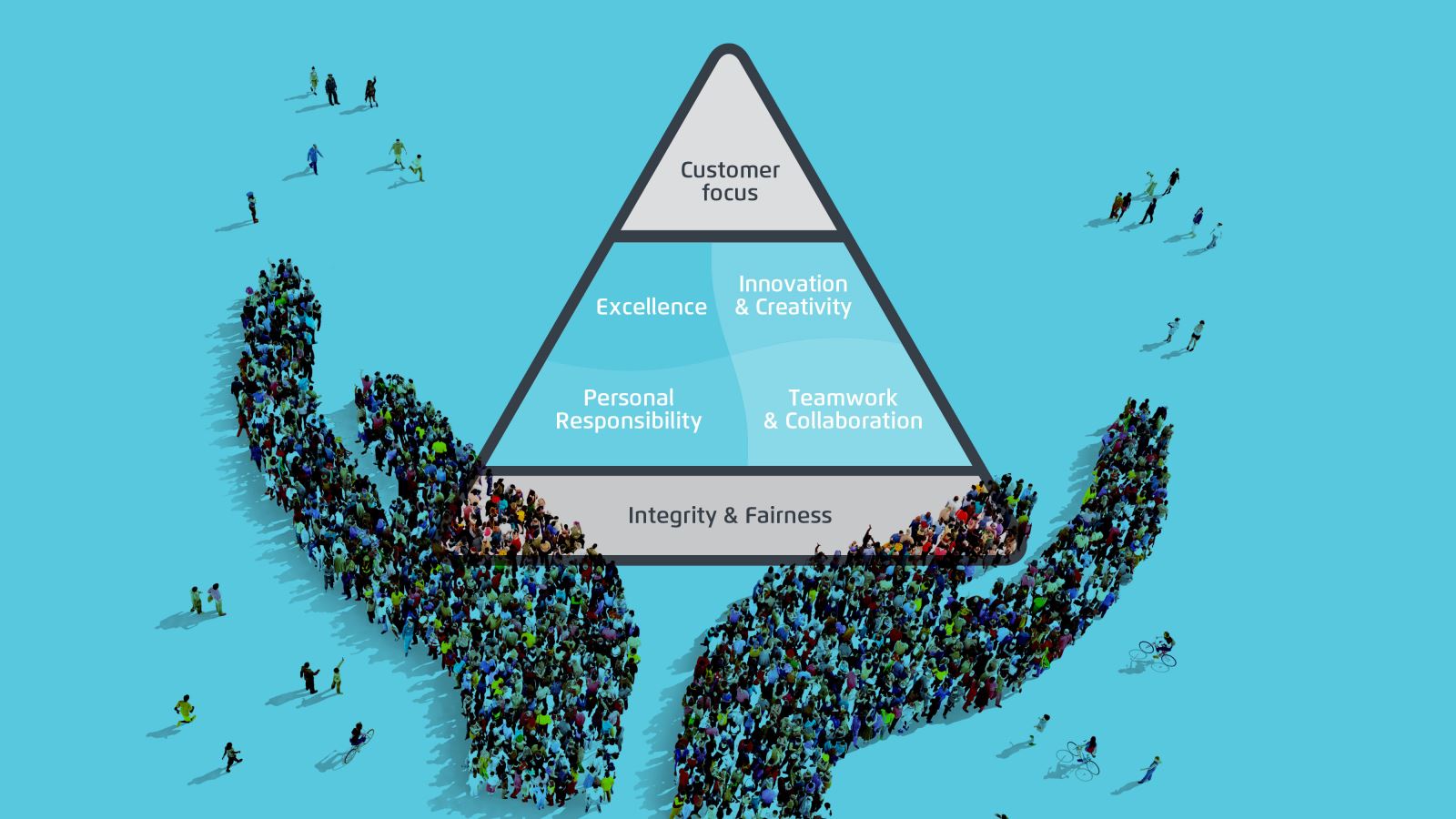 Other values, while important, are components assisting in delivering these primary values. Although Maytronics develops pool cleaning robots, this alone doesn't fully encapsulate the company's purpose. As Mr. Tryber stated in his talk at the conference: "We don't sell robots, we sell an exceptional customer experience."
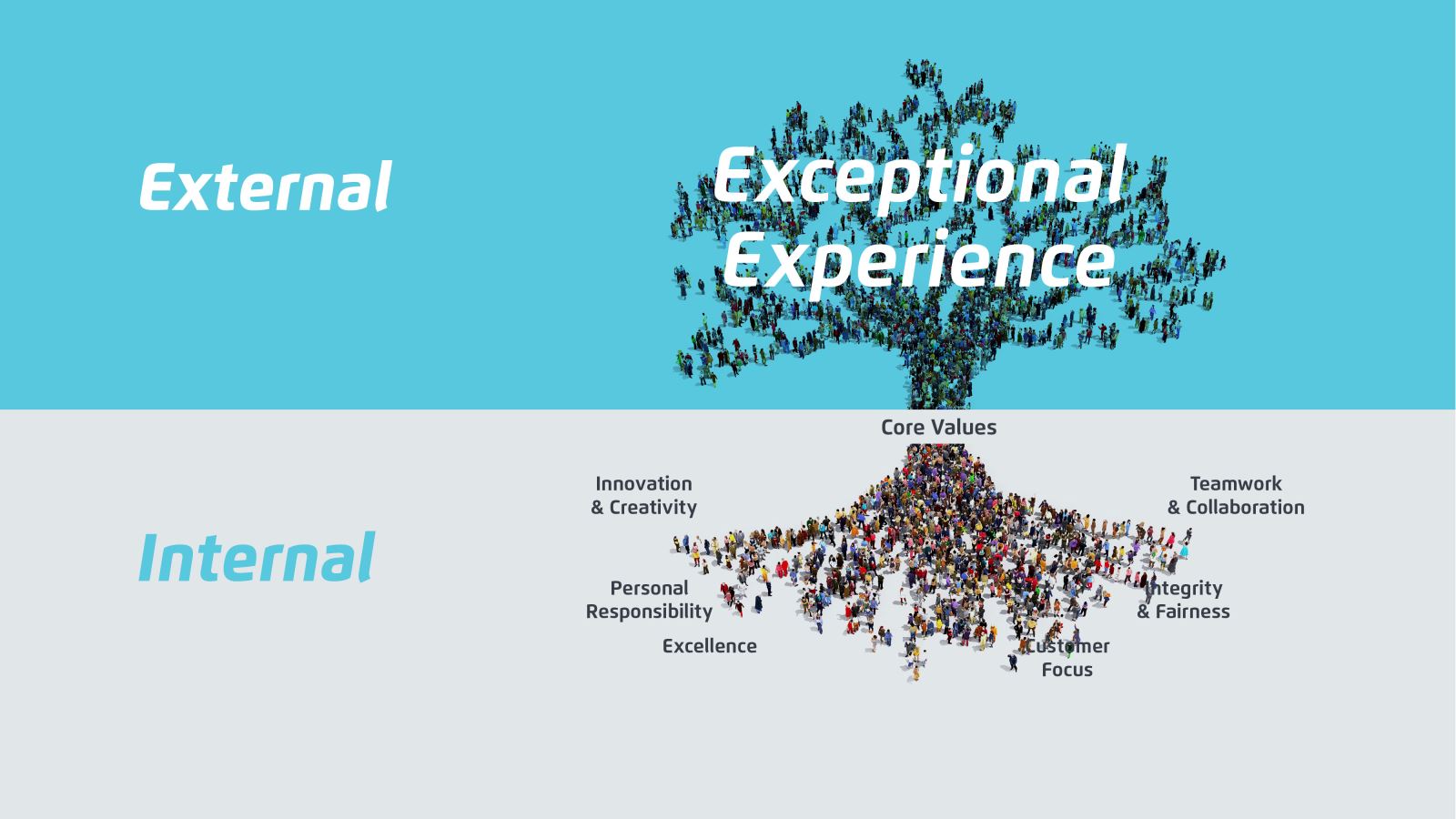 Oz successfully transformed the company's internal values, or company culture, flipping them to discover the other side of the coin: the company's brand.