The BL[OZ]

AI, Sugar, and Side Effects
By
Dorin Peleg
, 30/03/2026
AI isn't a magic fix; it’s an endless candy store where it’s easy to get lost in the noise. Discover why a surplus of tools makes selection your biggest strategic challenge, and how to shift from chasing "the next shiny thing" to a purposeful process that puts business goals before technology.
Why More Tools Don’t Always Help
The problem with abundance isn’t the technology itself-it’s understanding what we’re actually trying to solve. Every tool can look appealing. It can offer automated writing, visual creation, smart diagrams, marketing content, advanced research, and more. But without a clear process, it all becomes noise. Like a child in a candy store who can only choose two candies before checkout, we need selection tools-not just solution tools.
How to Get It Right (Without a Sugar Overdose)
When we work with B2B brands, we always come back to a simple question: What do our customers really need? And what is our business goal? Once the goal is clear, the abundance of tools stops being overwhelming. It becomes a repertoire of solutions tailored to what’s needed—instead of what’s possible.- The key is: Define the need, not the tool
- Before choosing an AI tool, start with the question: What outcome am I trying to achieve? What does success look like?
- Build a decision framework Don’t let every shiny new idea set the pace. Create a structured set of questions and criteria that connect to real KPIs.
- Don’t lose the human context AI is the result of human creativity-not the answer itself.

So What Does Choice Look Like in Practice?
If we go back to the candy store-not every candy fits every moment. The same goes for AI. There are great tools for every task, but the choice doesn’t start with the tool’s name—it starts with the need. For example: When I need to generate text, I usually work with ChatGPT or Gemini. Both are fast and powerful, but the choice depends on tone, precision, and the outcome I’m aiming for. When it comes to visuals-surprisingly-ChatGPT delivers great results as well. Gemini (especially Nano Banana) excels when combining existing products, and in other cases, I like working with Midjourney or Artlist-each offering a slightly different level of control and style. For animation, I often use Freepick and Gemini-especially when I need fast solutions without fully compromising on quality. For voiceovers, ElevenLabs is almost always my go-to, delivering results that sound more natural and accurate for most use cases. And for music, while you can generate it with Suno, if you’re not a professional musician, it’s often more efficient to use platforms like Freepik, which now offer a solid and user-friendly music feature. In practice, we almost never rely on a single tool. The real choice is always a combination-between multiple tools, and between those tools and human thinking that connects them. So the real question isn’t “Which tool is the best?” It’s “Which combination of tools serves the goal most effectively?”What Actually Makes It Work
Earlier, I mentioned a confused child in a candy store. But the one who really knows how to choose isn’t the child-it’s someone with experience, knowledge, and an understanding of what to look for. Behind every valuable AI tool are people: developers, researchers, creators, designers-those who know how to connect technology to real business needs. They’re the ones who give these tools meaning. Without human intention, context, and strategy-even the most advanced tools won’t lead to real results. AI is not magic. It’s the outcome of accumulated human creativity.The Real Choice
In an age of abundance, the advantage isn’t the newest AI tool. The advantage lies in the ability to:- Choose wisely
- Execute with understanding
- Stay focused on clear, business-driven goals

Animations In The World Of Ai
By
Eliav Yosef
, 23/03/2026
AI didn’t make motion design easier—it made it more strategic. Discover how the world of animations is shifting from manual execution to high-level direction, and why the human element is now your brand's most critical asset.
Animations have been changed forever by AI — but not in the way many people first imagined. If you're a B2B marketing leader, you might assume AI-driven animations are simply a cheaper, faster way to churn out content. But this isn’t a story about replacing motion designers or animators; it’s a story about redefining the craft, reshaping workflows, and clarifying where human creativity and brand strategy in animations become more important than ever.
In 2026, creating animations with AI is not about pressing a button. It’s about directing systems, shaping narrative, and knowing where automation ends and design begins. More importantly, it is a tool that allows complex B2B brands to visualize abstract technologies through high-quality animations faster and more effectively before committing to a final, expensive 3D render.
Here is a look at the modern AI ecosystem for animations, how the workflow has evolved, and why the human element remains your brand's biggest asset.

The AI Animation Toolbox: What’s Actually Being Used
AI animation is not powered by one “magic tool,” but by ecosystems of platforms, each serving a different creative role.- Cinematic AI Video Generation: Tools like Higgsfield focus on video as cinema, not as motion graphics. They allow creators to define camera movement, pacing, and visual language using prompts that resemble directing notes more than animation instructions. These are ideal for short cinematic sequences and concept films with strong mood and intent.
- Workflow & Creative Orchestration: Freepik Spaces, Weavy, ComfyUi or any node-based AI platform represents a new category: AI as a workflow environment. Instead of jumping between disconnected tools, designers can build idea-to-video flows, experiment visually, and treat animation as a system rather than a single file. This is especially powerful for B2B studios managing complex creative pipelines.
- Experimental Ideation & Visual Exploration: Platforms like Google Labs are less about production, and more about creative exploration. They help designers rapidly test visual directions and build moodboards to explore aesthetics before animation begins.
From 2D to 3D: AI-Driven Dimensional Thinking
One of the most impactful shifts in AI animation is the ability to move from flat images to spatial scenes. Modern AI engines can infer depth from a single image, generate basic 3D structures from 2D visuals, and enable camera movement inside static compositions. For B2B brands selling complex hardware or medical devices, this is revolutionary. It allows motion designers to start with intuition and sketches, and only later move into structured 3D workflows—reversing the traditional, time-heavy pipeline.
The Right AI Animation Workflow (Step by Step)
AI doesn’t eliminate process—it demands a better one.- Concept & Narrative Definition Before touching any tool, you must ask: What is the story? Is this cinematic, playful, abstract, or informative? AI performs best when creative intent is crystal clear.
- Visual Language & Mood Exploration This is where AI shines. Designers can rapidly generate visual styles, test lighting, and explore pacing. At this stage, speed matters more than precision.
- AI-Generated Motion & Video Using video diffusion engines, creators generate motion drafts and experiment with rhythm and transitions. Think of these as rough cuts, not final films.
- Human Refinement & Direction (The Brand Check) This is the most critical step, and the one AI cannot replace. This is where designers shape timing, ensure narrative clarity, and fix inconsistencies AI inevitably introduces. Most importantly, this is where the visuals are strictly aligned with your brand guidelines. B2B brands need exact hex codes, corporate typography, and regulatory compliance—nuances AI simply cannot manage alone.

What AI Enables vs. Where Professionals Are Essential
The Democratization of Ideation: AI enables anyone to generate basic animated visuals, create short experimental videos, and prototype ideas without technical expertise. This democratization is powerful — and positive. Where AI Alone Falls Short: However, when it comes to high-stakes B2B marketing, "almost right" isn't good enough. AI struggles with:- Strategic storytelling and complex narrative structures
- Strict brand consistency
- Emotional nuance and long-form animation logic
The New Role of the Animator
In the AI era, motion designers and animators are no longer just executors of movement. They have evolved into visual directors, narrative architects, and AI system orchestrators. They act as the vital translators between brand, story, and technology. AI handles generation. Designers handle meaning.Final Thought: AI Doesn’t Replace Motion Design, It Raises the Bar
Animation has always been about movement. But today, it’s about intentional motion. The designers and marketing teams who thrive in this era won’t be the ones who master every new software update. They will be the ones who know when to use AI, when to override it, and when human judgment is the difference between digital noise and a compelling brand story. AI didn’t make motion design easier. It made it more important.
Marketing in China: Not Just Another Market- A World of Its Own!
By
Sivan Barkay Menachem
, 10/02/2026
China isn’t just another market—it’s a parallel universe with its own rules for AI, social media, and visual language that every global brand must learn.

Color, Visual Language, and Regulation: More Than Aesthetic Choices
In China, color is not a matter of taste, it is a language. Colors carry deep cultural, symbolic, and sometimes political meaning, and incorrect use can confuse audiences, weaken trust, or even lead to content being restricted. For example:- Red is associated with luck, success, and celebration. It is widely used, but poor balance can feel loud or low-end.
- White is strongly linked to mourning and loss, making it problematic as a dominant color in celebratory or brand-driven contexts.
- Black conveys formality and authority, but in certain contexts can feel distant or somber.
- Certain color combinations, symbols, icons, or visual metaphors may be culturally or politically sensitive, even if they are considered neutral in Western markets.

Social Media: Same Goals, Completely Different Ecosystem
China does not use Facebook, Instagram, LinkedIn, or X. Instead, it operates within its own ecosystem of platforms such as WeChat, Weibo, Rednote, Douyin, and others, each of which functions far beyond what Western audiences think of as “social media.” WeChat, for example, combines content, community, CRM, customer service, payments, and commerce in one tightly integrated environment. As a result, effective marketing in China, particularly on WeChat, goes beyond reach or engagement and focuses on building long-term relationships within a closed, all-in-one platform.Search Engines: Google Is Not Part of the Equation
Google is largely irrelevant in China. Search behavior is driven primarily by Baidu and other local engines, each with different algorithms, SEO rules, and content expectations. Simply translating a website or blog into Chinese is not enough. Effective visibility requires content structure, hierarchy, and language that align with how Chinese users search for and evaluate information.
Chinese AI: A Parallel Universe, not a Local Version
Artificial intelligence in China also operates in a parallel ecosystem. Many Western AI tools are restricted or unavailable, replaced by local models such as ERNIE, Qwen, Doubao, and others. The differences are not only technical, but conceptual:- These models are trained on different datasets, in different cultural and regulatory contexts.
- Clear limitations exist on topics, phrasing, and types of content.
- AI is often embedded directly into Chinese platforms rather than offered as open, standalone tools – especially in Baidu’s case.

Local Partnerships as a Strategic Advantage
Marketing in China is extremely difficult to manage remotely. Language, regulation, culture, platform behavior, and business norms require deep, on-the-ground understanding. This is where local expertise becomes essential. We have worked for many years with Brandigo, and have seen firsthand their deep expertise in B2B marketing within the Chinese market- from strategic positioning and message localization to smart use of local platforms and cultural nuance. Strong local partners bridge the gap between Western brands and Chinese audiences without sacrificing credibility.The Bottom Line
China is not “just another large market.” It is a self-contained system with its own rules, pace, and internal logic. Succeeding there requires humility, learning, true localization, and the right partners. We are not experts in Chinese marketing, but we know when expertise is required. And in a market like China, that distinction makes all the difference.Want to dive deeper into B2B marketing in China?
We highly recommend exploring the Brandigo blog, where they share in-depth insights, practical experience, and up-to-date perspectives on navigating the Chinese B2B market- https://www.brandigochina.com/blog
B2B Design & Tech Trends 2026: From Visual Appeal to Strategic Experience
By
Amit Sakal
, 12/01/2026
In 2026, B2B design is more than just a modern look—it’s a strategic engine for clarity. Discover the six key shifts, from Hybrid Intelligence to Vibe Code, that help users understand complex products and drive faster decisions.

Multi-Sensory Experiences & Hybrid Intelligence When design is felt, not just seen
2026 marks a clear shift from purely visual design to multi-sensory digital experiences. After years of screen fatigue, users crave interfaces that feel richer, more immersive, and more human. Even in digital environments, design now aims to evoke sensations associated with touch, depth, motion, and materiality. This is where Hybrid Intelligence: the collaboration between AI and human creativity becomes a powerful driver. AI is deeply embedded into the creative workflow:- Generating visual directions and variations
- Exploring textures, motion, and spatial depth
- Accelerating experimentation and ideation
- Soft, tactile, and inflated textures
- Hyper-realistic objects combined with playful distortions
- Subtle motion that suggests weight, resistance, and flow
- Interfaces that feel immersive rather than flat

Glassmorphism, Evolved Transparency as a system, not a decoration
Glassmorphism continues into 2026 - but in a more mature and intentional form. What once appeared as a visual trend is now becoming a functional design system used to manage hierarchy, density, and focus. In B2B interfaces especially, where dashboards, data layers, and dense content are common, glass-like surfaces help:- Separate layers without heavy borders
- Maintain context while guiding attention
- Create depth without visual noise

Vibe Code & Self-Serve UX Design that explains before sales ever enter the room
Modern B2B buyers don’t want to be sold to first - they want to understand. In 2026, the most effective B2B experiences are built around self-serve exploration:- Interactive demos
- Calculators and simulators
- Product explorers and configurators
- Guided journeys that adapt to user intent
- Answering questions before they are asked
- Allowing users to test scenarios on their own
- Building confidence before human interaction

White, Minimalism & Visual Calm Less noise, more authority
White and near-white palettes dominate B2B design in 2026, not as an aesthetic trend, but as a strategic choice. Minimalist layouts, generous spacing, and visual restraint are essential when:- Products are complex
- Messages need credibility
- Decisions carry high business impact

Dynamic Personalization at Scale One interface, many audiences
B2B audiences are rarely uniform. Different roles, industries, regions, and levels of expertise require different messaging and in 2026, design finally reflects that reality. Interfaces are becoming more adaptive:- Content shifts based on industry or role
- Messaging adjusts to user behavior or entry point
- Visual emphasis changes according to intent

Design as a System, Not a Page Modular, scalable, and built for growth
In 2026, strong B2B design is rarely page-based. It’s system-based. Design systems evolve to support:- Rapid scaling across products and markets
- Consistency across platforms and touchpoints
- Faster iteration without breaking brand integrity
Closing Thought
Design in 2026 is not about trends for the sake of trends. It’s about using design to reduce complexity, build trust, and create meaningful experiences in an increasingly technical world. For B2B brands, the opportunity is clear: Those who treat design as a strategic layer - not a visual afterthought — will lead the conversation, not follow it.
Why not build your own tools? It’s Easier Than You Think
By
Nevo Levin
, 29/12/2025
AI can generate code in seconds, but building an internal tool that fits your exact workflow is where the real value lies.
What if I told you that the internal tools you use today don’t have to come from a plugin, an off-the-shelf system, or a solution that doesn’t quite fit?
And what if the most precise tools for your workflow are the ones that don’t even exist yet—until you build them?
In recent years, something profound has been happening quietly. Internal tools—those that once required developers, endless work hours, and a significant budget—have suddenly become accessible to everyone. AI is not just changing the way we work; it’s changing who can build the tools we work with.
Systems that used to be massive projects can now be built within hours. The person writing the brief can become the one creating the solution. Internal tools no longer have to be bought off-the-shelf or from an external vendor. They can be born out of a daily process, a recognized need, and a deep understanding of how we actually work.
This is exactly what happened with us. Time and again, we discovered that a certain process was stalling us, that communication was dragging, or that a small action was turning into a major task. So, instead of searching for a plugin that "sort of" fits, we built tools that were precise for us: a task-sharing system for clients, an email signature generator based on an existing design, custom forms, and finally, a QA tool that grew from a small idea into a system that works on any website.

When the Process Needs a Tool, Not Another Meeting
In most projects, the problem isn’t the people or the understanding. The problem is the tools—or more accurately, the lack thereof.
We learned long ago that the solution to ambiguity isn't another meeting or another document. Sometimes, all you need is a small tool that organizes reality right where the process gets stuck.
That’s how we started building our own internal tools with AI.
No heavy systems, no generic plugins; just solutions born from our real needs and those of our clients. Just as we build websites for our clients, we began designing our own internal work processes.
During the past year, we created several internal tools using AI, including:
-
A task sharing and tracking system between clients and the team.
-
An email signature generator that creates a customized version for every user.
-
Interactive forms for various clients as needed.
-
A visual QA system that operates directly on the website.
-
A smart system for creating digital business cards.
Every one of these tools was born from the same point: a small pain point that grew. AI made the development of these solutions simple, fast, and accessible.
This is perhaps the greatest AI revolution. It allows businesses like ours to build internal tools that were previously reserved for corporate giants. Today, you can create a precise solution the moment it's required, instead of adapting to what already exists.
How a Small Idea Became a Plugin That Works on Any Site
It all started with a pain point familiar to every digital team: scattered comments, long review cycles, endless question marks, and conversations that lead to no clear conclusion. So, we built a tool.
We opened ChatGPT and described the experience we wanted, rather than the code. From there, we began to refine and improve.
Within days, a QA plugin was born that felt like working inside Figma, only it takes place on the live website. No documents, no infinite calls, and no guessing. Just pins on the screen and comments appearing exactly where they need to be.

See How Simple It Is
When the QA layer is activated, the website becomes a workspace.
A click adds a pin. A pin opens a card. A card allows you to write a comment, add a small image, mark a status, or have a brief chat between team members.
No files, no links, no mess.
To keep things organized, there is also a side panel that aggregates all comments. You can filter by status, toggle between colors, jump to a specific point, and see thumbnails that provide context.
Everything is clear and easy to understand. That’s the beauty of it: a good tool doesn’t have to be heavy. It has to be precise.
The Future of Internal Tools Starts Here
The most significant takeaway isn't necessarily the plugin itself, but the new approach.
AI allows every business to build precise internal tools tailored to how they actually work.
No heavy systems, no forced adaptations, and no long development processes.
Instead of adapting ourselves to existing tools, we are starting to design the tools around us. Processes that were cumbersome become simple. Communication that was once overloaded becomes direct. And what used to be "that's just how it is" becomes "this is how we decided it should be."
It’s not just a matter of efficiency; it’s independence. The ability to build tools in real-time, without waiting and without external dependencies.
AI opens a new possibility where every small idea can become a real tool that advances the company, strengthens processes, and allows us to work smarter every single day.

Synthetic Humans and Brand Stories
By
Yoav Sondak
, 25/12/2025
AI can create faces in seconds, but trust, character, and good storytelling still take human judgment.
Synthetic humans are quickly becoming the newest wildcard in the marketing world. They promise instant faces, infinite diversity, zero scheduling conflicts, and a level of visual flexibility that traditional photoshoots could never match. At the same time, they introduce new questions about realism, accuracy, and what it truly means to build trust through images. The result is a strange mix of creative freedom and creative chaos, efficiency and unpredictability, impressive breakthroughs and very real failures. In other words, exactly the kind of shift that forces brands and designers to rethink how they tell visual stories.
If you work with visuals, you cannot ignore this technology. And if you use it, you need to understand both its possibilities and its pitfalls. Here is what synthetic humans actually make easier, what they complicate, and how smart teams are learning to use them without losing their focus or their brand integrity.
What AI really makes easier in client visuals Let us start with the fun part. AI lets us create very specific personas in minutes. If a campaign needs a clinic nurse in her early 40s with a calm presence and warm eyes, an irrigation engineer with sun-tanned skin and slightly dusty trousers, or a farmer in his fields who looks like he actually knows how to repair a dripline by hand, we can dial that in. No casting, no schedules, no “our best model canceled at the last minute” drama. It also helps when we need groups that stock libraries do not always represent well. A mixed team of engineers with balanced ethnic diversity. A group of middle-aged professionals for a B2B product. A family that does not look like a toothpaste commercial from 1992. AI gives us a bigger playground and fewer excuses. And yes, budget wise it saves time. Generating a range of visual directions early in a project helps a client choose a tone before any real production happens. This is especially valuable in B2B where you often want a mix of realism and polish without spending a fortune on photoshoots for niche equipment. But let us be clear. It is faster than a real shoot, not magic. Getting the right facial expression, personality, lighting, emotional tone and cultural nuance still takes iteration and artistry. Someone still needs to do the work and make creative decisions. AI is a sketchbook, not a photographer. Representation and diversity. Easier to specify, easier to mess up
AI absolutely makes it easier to design for diversity on purpose. We can ask for specific mixes of age, gender, skin tone, and cultural background that reflect a brand’s real audience rather than a generic Western template.
But here comes the cynical part. If you do not direct the AI explicitly, it has the tendency to give you the same person over and over. A smiling young white male doctor. A slender white woman in a “corporate success” pose. A suspiciously symmetrical engineer that looks more like an NBA star than someone who works in a metal factory.
AI does not magically fix representation. It mirrors the biases of its training data unless we intervene with clear prompts and visual QA. So yes, AI is powerful, but it also needs supervision. Otherwise you get a multicultural team that all somehow look… the same.
The continuity problem (The serious one and the ridiculous one)
This is where things get interesting.
Keeping a synthetic person the same
If you generate a character once, they will look great. If you generate the same character again in a different pose or setting, there is a good chance the face will be slightly off. Or very off. Or suddenly look like their cousin.
This is a known limitation. Generic text to image models do not remember a specific face across multiple scenes. To fix that you need either a consistency-focused tool, a custom trained character, or a very precise workflow.
The Real Model Dilemma
Stock Faces, Influencers, and the Question of Trust
At some point in almost every campaign, a very human question appears: should this face be real?
Sometimes a client selects a specific real person from a stock library. A nurse who looks exactly right for a clinic campaign. An engineer who feels credible on the factory floor. A farmer whose face tells a story of experience without saying a word. The problem begins when the campaign grows. One image is no longer enough. The client needs variations, new scenes, seasonal updates, and continuity over time. Stock libraries rarely deliver that level of flexibility.
This is where AI enters the conversation. With the right tools and workflows, it is now possible to generate synthetic variations of an existing stock model. The same person, placed in new environments, wearing different outfits, interacting with new products. When done carefully, this can extend the life of a chosen face without repeated licensing fees or logistical constraints. When done carelessly, the result is uncanny. The face looks familiar but not identical. Subtle features drift. Expressions change personality. The person becomes almost themselves, which is often worse than being clearly fictional.
This tension becomes even sharper when the conversation moves from models to influencers.
Influencers are not just faces. They are identities built over time. Their value is not only how they look, but the perception of authenticity, lived experience, and continuity across platforms. An influencer has a history, opinions, imperfections, and a relationship with their audience. These are things AI can simulate visually, but not fully embody.
For this reason, real influencers still cannot be replaced in many contexts. When trust is personal, when credibility depends on lived experience, or when a brand relies on long-term emotional connection, a synthetic figure falls short. An AI generated wellness coach or skincare expert may look convincing, but it does not age, struggle, contradict itself, or evolve in the way people do. And audiences notice.
That said, artificial models are already stepping into influencer-like roles in limited and carefully framed scenarios. Virtual brand ambassadors, synthetic characters, and fictional personas can work when transparency is clear and expectations are managed. They can represent ideals, explain complex products, or act as consistent brand guides. But they are closer to mascots than humans, even when they look realistic.
The real question is not whether an artificial model can gain attention. It already can. The question is whether it can earn trust. And trust, at least for now, still depends on the belief that there is a real person behind the voice, the choices, and the imperfections.
In practice, the smartest campaigns treat AI models as extensions, not replacements. They support real people, fill visual gaps, and offer flexibility where human logistics fail. But when a brand needs genuine influence rather than visual presence, the human factor remains difficult to fake.
Product continuity. A reality check
Trying to show a specific irrigation valve, cosmetic device, sensor probe or medical connector in an AI generated image is its own adventure. AI tends to simplify or distort product details, change proportions, or invent buttons that do not exist.
So for product accuracy we still rely on photography, vector illustration, or 3D renders. AI is usually used around the product, not instead of it.
Representation and diversity. Easier to specify, easier to mess up
AI absolutely makes it easier to design for diversity on purpose. We can ask for specific mixes of age, gender, skin tone, and cultural background that reflect a brand’s real audience rather than a generic Western template.
But here comes the cynical part. If you do not direct the AI explicitly, it has the tendency to give you the same person over and over. A smiling young white male doctor. A slender white woman in a “corporate success” pose. A suspiciously symmetrical engineer that looks more like an NBA star than someone who works in a metal factory.
AI does not magically fix representation. It mirrors the biases of its training data unless we intervene with clear prompts and visual QA. So yes, AI is powerful, but it also needs supervision. Otherwise you get a multicultural team that all somehow look… the same.
The continuity problem (The serious one and the ridiculous one)
This is where things get interesting.
Keeping a synthetic person the same
If you generate a character once, they will look great. If you generate the same character again in a different pose or setting, there is a good chance the face will be slightly off. Or very off. Or suddenly look like their cousin.
This is a known limitation. Generic text to image models do not remember a specific face across multiple scenes. To fix that you need either a consistency-focused tool, a custom trained character, or a very precise workflow.
The Real Model Dilemma
Stock Faces, Influencers, and the Question of Trust
At some point in almost every campaign, a very human question appears: should this face be real?
Sometimes a client selects a specific real person from a stock library. A nurse who looks exactly right for a clinic campaign. An engineer who feels credible on the factory floor. A farmer whose face tells a story of experience without saying a word. The problem begins when the campaign grows. One image is no longer enough. The client needs variations, new scenes, seasonal updates, and continuity over time. Stock libraries rarely deliver that level of flexibility.
This is where AI enters the conversation. With the right tools and workflows, it is now possible to generate synthetic variations of an existing stock model. The same person, placed in new environments, wearing different outfits, interacting with new products. When done carefully, this can extend the life of a chosen face without repeated licensing fees or logistical constraints. When done carelessly, the result is uncanny. The face looks familiar but not identical. Subtle features drift. Expressions change personality. The person becomes almost themselves, which is often worse than being clearly fictional.
This tension becomes even sharper when the conversation moves from models to influencers.
Influencers are not just faces. They are identities built over time. Their value is not only how they look, but the perception of authenticity, lived experience, and continuity across platforms. An influencer has a history, opinions, imperfections, and a relationship with their audience. These are things AI can simulate visually, but not fully embody.
For this reason, real influencers still cannot be replaced in many contexts. When trust is personal, when credibility depends on lived experience, or when a brand relies on long-term emotional connection, a synthetic figure falls short. An AI generated wellness coach or skincare expert may look convincing, but it does not age, struggle, contradict itself, or evolve in the way people do. And audiences notice.
That said, artificial models are already stepping into influencer-like roles in limited and carefully framed scenarios. Virtual brand ambassadors, synthetic characters, and fictional personas can work when transparency is clear and expectations are managed. They can represent ideals, explain complex products, or act as consistent brand guides. But they are closer to mascots than humans, even when they look realistic.
The real question is not whether an artificial model can gain attention. It already can. The question is whether it can earn trust. And trust, at least for now, still depends on the belief that there is a real person behind the voice, the choices, and the imperfections.
In practice, the smartest campaigns treat AI models as extensions, not replacements. They support real people, fill visual gaps, and offer flexibility where human logistics fail. But when a brand needs genuine influence rather than visual presence, the human factor remains difficult to fake.
Product continuity. A reality check
Trying to show a specific irrigation valve, cosmetic device, sensor probe or medical connector in an AI generated image is its own adventure. AI tends to simplify or distort product details, change proportions, or invent buttons that do not exist.
So for product accuracy we still rely on photography, vector illustration, or 3D renders. AI is usually used around the product, not instead of it.
 The legal, ethical and trust layer
Clients trust visuals. And as AI grows, so do the expectations for transparency.
There is still legal uncertainty around how some models were trained, how copyrights apply, and how synthetic humans should be disclosed in sensitive industries. The EU is moving toward stricter transparency rules. Customers are becoming more aware of what looks AI generated.
So we treat AI the same way we treat any production tool. We choose platforms with clearer IP practices, we avoid misleading imagery, and we recommend disclosure when it matters for trust.
Our philosophy is simple. A great brand story should feel honest even when the people in the picture are not.
So where does this leave us?
AI models are not replacing real photography. They are not replacing human creativity. But they have become a natural part of the workflow in branding and marketing. They help us iterate faster, visualize concepts earlier, explore diversity with more intention, and tell better stories without waiting for permissions, flights or makeup.
They also require discipline. They require artistic guidance. They require common sense. And sometimes they require a designer to say “No, we are not showing the irrigation engineer as a flawless fashion model. Let us try again”.
As for the future, it is moving fast. Character consistency tools are improving. Product level accuracy is improving. Ethical guidelines are being written. The hybrid workflow of real photography, 3D, and AI will probably become the default rather than the exception.
The conclusion is simple. AI models are not the answer to everything, but they have opened a creative door that is not going to close. The brands that benefit most will be the ones that use this tool with intelligence, taste, humor, and responsibility.
The legal, ethical and trust layer
Clients trust visuals. And as AI grows, so do the expectations for transparency.
There is still legal uncertainty around how some models were trained, how copyrights apply, and how synthetic humans should be disclosed in sensitive industries. The EU is moving toward stricter transparency rules. Customers are becoming more aware of what looks AI generated.
So we treat AI the same way we treat any production tool. We choose platforms with clearer IP practices, we avoid misleading imagery, and we recommend disclosure when it matters for trust.
Our philosophy is simple. A great brand story should feel honest even when the people in the picture are not.
So where does this leave us?
AI models are not replacing real photography. They are not replacing human creativity. But they have become a natural part of the workflow in branding and marketing. They help us iterate faster, visualize concepts earlier, explore diversity with more intention, and tell better stories without waiting for permissions, flights or makeup.
They also require discipline. They require artistic guidance. They require common sense. And sometimes they require a designer to say “No, we are not showing the irrigation engineer as a flawless fashion model. Let us try again”.
As for the future, it is moving fast. Character consistency tools are improving. Product level accuracy is improving. Ethical guidelines are being written. The hybrid workflow of real photography, 3D, and AI will probably become the default rather than the exception.
The conclusion is simple. AI models are not the answer to everything, but they have opened a creative door that is not going to close. The brands that benefit most will be the ones that use this tool with intelligence, taste, humor, and responsibility.

Don’t Be Afraid of the Monster: B2B Websites Aren’t Actually That Scary
By
Naomi Lifshitz
, 01/12/2025
When B2B sites become complex, smart design brings order and clarity — guiding users, strengthening trust, and helping them move forward with confidence.
“Honestly? Above everything else, it just looks like you’re really enjoying working on this.”
And she was right. I really am.
Because websites are one of the things I love most in the world.
Why do B2B websites always seem a bit more intimidating?
When people hear “B2B website,” they immediately imagine something heavy: catalogs, products, integrations, CRM systems, and a content tree with thirty pages. And it’s true - this isn’t the website of a jewelry shop or a restaurant. But that’s exactly what makes it interesting. When handled correctly, this complexity turns into clarity.
So how do you actually make it simple?
A website is not a filing cabinet that needs to store every piece of information accumulated over the years. It needs to be focused and relevant. In almost every B2B website I work on, the same pattern repeats itself — templates that help organize the information clearly. And once every piece of content knows where it belongs, everything starts to fall into place. There’s the product - sometimes physical, sometimes digital, sometimes an entire range that needs to be sorted into a clear catalog. Sometimes products are scattered across applications, technologies, or different solutions. In those cases, it’s better to centralize everything under one catalog with smart filtering. This preserves a clear hierarchy and creates a smooth, intuitive user experience. Behind the product lies the technology, which often interests professional audiences and differentiates the company from competitors. On this page, we presented technical and seemingly “dry” information — but in an airy, clean, and clear way. We added a scrolling visual element inspired by the client’s industry, which made the page feel less mechanical and more pleasant and flowing. Then there are the industries or segments where the product operates — because in B2B, there is no “everyone,” only context. There’s also the company’s reputation, the services it provides, and the people behind the scenes. On the Agmatix website, we organized the entire Case Studies archive in a simple, comfortable way. “About” and “Management” pages are almost always among the most visited. Because even in B2B, people look for people. They want to see faces, understand who stands behind the company, and sometimes even recognize someone they know. Look at this innovative About page we created for trendlineslab, It’s innovative because it’s not just “About” - it tells a story. A brand is a story, and that’s exactly what users feel here: a short, clear journey that presents the company through a narrative rather than dry text. And then there’s one of the most important parts — knowledge hubs B2B customers aren’t looking for slogans; they’re looking for information. Articles, guides, real-world examples, case studies. Knowledge that builds trust.Staying focused throughout the process
One of the biggest challenges in B2B website projects isn’t necessarily design or technology - it’s the people. Every company has several departments with different viewpoints: marketing, sales, product, support, leadership. Everyone has something to say - and rightly so. But if each person sees the website as theirs, the project quickly spreads in all directions. The solution is to work with a small decision-making team: three to four key personas representing the core needs. They don’t need to agree on everything - but they do need to speak the same language and hold the same goal. Once you have that core, every decision becomes easier.
And what about all the content?
Almost every company has a sea of materials - presentations, brochures, PDFs, guides, old documents. Instead of trying to “fit everything in,” it’s better to start with the opposite question: What does the user actually need to know here? Not everything needs to become a page. Topics like customer stories, updates, or technological innovations are often better as blog posts or part of the Resources section. Blogs are an excellent way to add knowledge and context without overwhelming the site. You can write about almost anything, and the volume can be endless. You can always enrich the content hub, and with smart filtering, still maintain order and clarity.Functionality comes first
Not long ago I finished designing an especially complex website - catalog-based, with many digital tools and templates. What made it truly successful was its functionality: clear, intuitive, and easy to use. Visitors know exactly where to find what they’re looking for - and to me, that’s the biggest achievement. B2B websites are, first and foremost, work tools. They need to be functional, comfortable, and clear for users. That doesn’t mean giving up on design - the opposite. A modern look that conveys innovation is part of the message: if the website feels up-to-date, the user will feel the company behind it is moving forward. Like on the Aquestia website, where we highlighted the certifications clearly.It’s all a matter of mindset
If you approach a B2B website with fear - it really will feel like a monster. But if you approach it as a process of organization, structure, and listening - everything becomes clear. A good website doesn’t need to be big, it just needs to work. And to me, that’s the heart of it: turning complexity into clarity - step by step, methodically, and with a small smile along the way.
Let’s Talk About the Cheetah in the Room
By
Nirit Elyovich, MBA
, 26/08/2025
Is your marketing sprinting in the right direction? A simple five-step process keeps focus on what drives real business results.
 As a company that leads Israeli B2B companies to success in the global market, we’ve developed a structured five-step process to ensure marketing directly advances the company’s business decisions.
- Translate business decisions into marketing initiatives Take a disciplined look at your strategy through a marketing lens and identify which decisions can be transformed into marketing moves. Not every business decision needs to land on the marketing desk - that’s exactly why you have multiple executives around the table. The CEO ensures nothing falls through the cracks.
- Prioritize five key initiatives Establish clear criteria and select the marketing initiatives with the greatest potential to impact business performance. Keep the list realistic and aligned with budget and leadership attention.
- Deep-dive into the chosen initiatives Define success metrics, risks, internal stakeholders, milestones, and timelines for each initiative. This thorough review will also help you reassess whether the initiative you’ve chosen truly has a meaningful impact on business results.
- Win executive approval Confirm these are the most meaningful initiatives and gain budget approval. This stage is also an opportunity to sync with fellow executives.
- Build the annual marketing plan Break each initiative down into specific actions, map them across the year, and create a logical, effective flow of execution.
 The beauty of this process lies in its clarity. Every marketing effort is measured by its direct contribution to the business. If it’s not in the plan, there’s a reason.
It may sound simple - and it is - but it requires you to pause, plan, and sometimes partner with an external professional. Someone who will hold you accountable, challenge your thinking, and keep you focused. Someone who’s done this many times before and knows how to steer the process.
The cheetah doesn’t wait - and the year won’t either. Now is the time to focus your marketing on what truly matters for your business and drive real impact. We’re here to help.
The beauty of this process lies in its clarity. Every marketing effort is measured by its direct contribution to the business. If it’s not in the plan, there’s a reason.
It may sound simple - and it is - but it requires you to pause, plan, and sometimes partner with an external professional. Someone who will hold you accountable, challenge your thinking, and keep you focused. Someone who’s done this many times before and knows how to steer the process.
The cheetah doesn’t wait - and the year won’t either. Now is the time to focus your marketing on what truly matters for your business and drive real impact. We’re here to help.

Your Growth Engine for 2026 and Beyond: No, It’s not Paid. It’s Organic Marketing
By
Liat Shaaf
, 17/08/2025
Is paid marketing enough in today’s digital chaos? How do B2B buyers really decide? Discover why organic drives trust, growth, and long-term results, while paid only accelerates.
1. Organic fits how B2B buyers actually make decisions
Every marketer understands that the B2B buyer’s journey isn’t a straight line. It’s a maze - multiple stakeholders, long evaluation cycles, and endless rounds of research before anyone ever talks to sales.
Where do buyers spend that time? On search engines, LinkedIn, industry forums, and reading trusted publications, not clicking random banner ads. That’s where organic channels like SEO, thought leadership, organic social, PR coverage, and influencer mentions come in.
When you’re showing up in those places early, you’re shaping their perception before they even start shortlisting vendors. You’re educating them on your value, building familiarity, and making it easier for them to say “yes” later.
You see, paid ads can put you in front of them fast, but organic keeps you in their line of sight throughout the entire journey, which supports business goals like higher lead quality, bigger deal sizes, and shorter sales cycles.
Here’s an example for you: I worked with an industrial equipment manufacturer that leaned into SEO and highly technical content. They started getting engagement from engineers months before RFQs were even issued. Those early touchpoints turned into warmer, more qualified leads down the line.
2. Organic builds the kind of trust you can’t buy
In B2B, trust isn’t just nice to have. It’s the currency deals run on. These aren’t impulse purchases; they’re multi-year contracts or mission-critical tools.
Sure, paid ads can grab attention. But buyers know they’re ads. That awareness puts a ceiling on how much trust you can build with them.
Now, organic content, whether it’s a deep-dive whitepaper, a webinar, or a mention in a respected industry journal, positions you as a credible authority. That credibility is often the deciding factor when procurement teams are weighing similar proposals.
The result? Bigger deals, higher win rates, and customers who stick around longer.
3. Organic content keeps working even after you’ve paid for it
IHere’s something paid will rarely give you: compounding returns.
When a paid campaign stops, so does the traffic and the leads. But a great piece of organic content can keep attracting and nurturing prospects for months, even years.
That means the budget you put into organic keeps paying you back, without needing constant top-ups. Over time, that makes your pipeline more predictable and your cost per lead lower.

4. AI, Privacy, and Platform changes are making organic even more critical
The way people find and consume information is shifting fast.
AI-driven search tools like Google’s AI Overviews and Microsoft Copilot are pulling answers from trusted, authoritative sources. If your content isn’t seen as credible, you’re invisible in those results.
Add to that the privacy changes - cookie deprecation, tighter ad targeting rules - and paid ads are getting more expensive and less precise.
Meanwhile, organic channels help you collect first-party data (subscribers, event signups, community engagement) you actually own. That’s gold for account-based marketing, personalized outreach, and nurturing high-value deals.
5. Paid Still Has a Role, Just Not as the Foundation
Don’t get me wrong: paid still matters.
If you’re promoting a product launch, driving event signups, or retargeting high-intent prospects, paid can deliver quick wins. But when paid is your only engine, your costs rise every quarter just to maintain results.
The smarter play? Build an organic foundation that runs 24/7, then use paid strategically to boost your best content and accelerate deals already in motion. That way, you get both speed and staying power.
So, you see, in B2B, where the landscape is only getting more complex: longer sales cycles, more decision-makers, new tech shaping how people discover solutions, organic marketing isn’t just about “free” traffic. It’s about meeting core business goals: generating high-quality pipeline, shortening sales cycles, increasing deal sizes, and building trust that keeps customers coming back. Paid promotion is a great accelerator. But organic? That’s your foundation for sustainable growth in 2025–2026 and beyond. Build it now, and it will keep paying you back long after the latest ad campaign ends.
From SEO to GEO: How to Make Sure Your Content Shows Up in AI Engines
By
Einat Talal-Cohen
, 29/06/2025
Your brand is more than just a logo - it’s a powerful strategic tool. Discover how CEOs can leverage branding to build trust, differentiate, and drive business growth.
SEO to GEO marks a new phase in online success. For years, success online meant ranking high on Google. And that’s still true - but search itself is expanding. Today, visibility doesn’t stop with search engines.
It also means showing up in AI-generated answers from tools like GPT-4o, Gemini, and Claude.Here are some facts you need to know:
- 67% of technical queries never make it to Google
- They’re being answered instantly by ChatGPT, Claude, or Perplexity
- Google’s AI Overviews now appear in ~13% of all searches - up from 6.5% in January 2025

If your brand isn’t part of those answers, you’re invisible to a growing share of your market.
Search behavior is evolving:
- Queries are longer (23 words on average, not 4)
- Sessions are deeper (lasting around 6 minutes)
- And AI engines don’t just search - they remember, reason, and respond with personalized, conversational synthesis
SEO still matters. But it’s no longer enough on its own. That’s where GEO - Generative Engine Optimization - comes in: the next evolution in making sure your content gets seen wherever people search for answers.

Here’s how to start positioning your content to show up where it matters most:
5 Ways to Optimize Your Content for AI Engines
1. Build Topical Authority, Not Just Keyword Lists SEO taught us to chase keywords. GEO rewards expertise. AI engines prefer trusted sources that consistently publish valuable content on specific subjects. What to do: Create content clusters. Go beyond isolated blog posts and build topic ecosystems: guides, FAQs, thought leadership pieces, and deep dives. 2. Write Like You’re Explaining It to a Smart Friend AI engines favor content written in a natural, conversational tone. If it reads like stiff marketing jargon, it’s likely to be ignored by LLMs. What to do: Break down complex topics clearly and simply. Use questions, summaries, and direct answers. Write to inform, not impress. 3. Format for Easy Extraction AI engines love content that’s easy to lift, quote, and summarize. Dense paragraphs are ignored - clarity wins. What to do:- Use H2s and H3s properly
- Add bullet points and numbered lists Start with a TL;DR or summary whenever possible Think: Could ChatGPT easily use this paragraph in an answer?
Final Thought: Be Part of the Answer
SEO isn’t dead. It’s evolving. GEO is the next layer, giving your brand the power to show up not just in search engines but in the AI-generated answers people increasingly trust.
Even Great Content Can Miss the Mark and How a Strategy Pause Can Make All the Difference
By
Liron Ramot
, 22/09/2024
Digital marketing is essential for B2B companies to reach their target audience, generate leads, and stay competitive. Many lack the resources to handle it in-house, making outsourced digital marketing a valuable solution.
Why Often Misses the Mark?
Creating digital content that truly connects with your audience is no small feat. The landscape is crowded, the competition is intense, and audiences are more critical than ever. While many businesses pour resources into content creation, they find that their efforts do not translate into engagement or conversions. Most of the time, it's just a lack of alignment between content and the organization's overall business goals. Without a clear, strategic framework, content can become scattered, inconsistent, and ultimately ineffective. This is exactly why companies should consider stepping back to take a broader view. Rather than rushing ahead with the next campaign or content piece, a strategic pause to reassess and realign can be incredibly valuable. This is the essence of the discovery and study processes, a strategic approach that will build a solid foundation for your digital marketing campaign.
Understanding the Study Process
The primary aim of the Study process is to provide a focused analysis of your current digital marketing efforts. It’s about taking a step back and evaluating what’s working and what isn’t, allowing for strategic adjustments that enhance performance. This process is ideal for annual strategy reviews, specific campaign assessments, or when there’s a need to refresh the approach to your digital marketing.What It Achieves?
The Study process delivers actionable insights that help fine-tune your digital strategy. By concentrating on specific areas, such as target audience engagement, campaign effectiveness, or digital content performance, the Study process allows businesses to make data-driven decisions that improve ROI. It helps you understand where your content may be falling short and offers concrete steps to address these issues.How It’s Done?
- Initial Consultation: In-depth session to clarify your business’s current digital marketing objectives and identify the key areas that require attention.
- Targeted Research: Assessing the performance of specific campaigns, audience engagement metrics, and the effectiveness of your content in driving desired outcomes.
- Strategy Refinement: Adjust and optimize existing strategies based on findings.
- Implementation and Monitoring: Monitoring and tweaking the revised strategy as needed.

Exploring the Discovery Process
The Discovery process offers a broader, more comprehensive approach to digital strategy development. It’s designed for businesses that are launching new brands, undergoing a rebrand, or expanding into new markets. The Discovery process is about building a solid strategy that aligns with long-term business goals and keeps consistency across all digital channels. The Discovery process offers a deep dive into your brand’s identity, your market, and your audience. It provides a holistic understanding of your brand’s digital landscape. It uncovers opportunities for differentiation, identifies potential challenges, and sets a strategic direction that makes sure all digital efforts are aligned with your overarching business goals. One of the unique offerings of the Discovery process is the development of a visual language for your digital activities. This component ensures that your brand communicates consistently and effectively across all platforms, enhancing brand recognition and coherence, which is not typically included in the Study process. The goal is to develop a strategy that meets immediate needs as well as positions your brand for long-term success. This process is particularly beneficial for companies preparing for major changes, such as a new brand launch or market expansion.How It’s Done?
- Kick-off Meeting: Clarify goals and challenges.
- Comprehensive Research and Analysis: A thorough examination of the market, competitors, and internal capabilities. Key activities include identifying Buyer Personas, conducting a Competitive Digital Analysis, and performing a detailed SEO review.
- Digital Strategy Development: Based on the research insights, a full-scale digital strategy is formulated. This includes defining content pillars, creating a media plan, and developing creative visual guidelines that ensure brand consistency across all platforms.
- Presentation and Implementation: Once approved, the strategy is implemented, with ongoing support to ensure its success.

Why Discovery Is the Better Choice?
While both the Study and Discovery processes offer valuable insights and strategic direction, the Discovery process stands out as the more comprehensive and long-term solution. Here’s why Discovery might be the better choice for most businesses: Long-Term Strategic Value Discover aims to build a digital strategy that will serve your business for years to come, not just address immediate needs. By conducting thorough research and analysis, the Discovery process helps you create a strong, adaptable strategy that can evolve with your business. This long-term focus is particularly valuable in today’s fast-paced digital environment, where trends and technologies are constantly changing. Comprehensive Insights Unlike the Study process, which offers a more focused review, the Discovery process provides a holistic view of your digital strategy. This includes everything from a detailed SEO review to the development of creative visual language guidelines. These insights are crucial for making sure that all aspects of your digital presence. From content to design, everything is aligned with your brand's goals. Flexibility and Customization One of the key benefits of the Discovery process is its flexibility. The process can be adjusted to your specific needs - whether you’re launching a new product line, rebranding, entering a new market, or looking to create a unified visual identity for your campaigns. This customization helps make sure that your digital program is relevant, consistent, and effective. With the digital marketing arena being so fast-paced, it’s easy to get caught up in the rush to produce content and launch campaigns. Taking the time to reassess your digital strategy allows you to see what’s really working and where you might need to adjust course. It’s not simply about tweaking a campaign here or there, but rather making sure that every piece of content you create is connected to your broader goals and truly resonates with your audience. Whether you’re considering the focused approach of the Study process or the more comprehensive Discovery process, this strategic pause is crucial so your content doesn’t just reach your audience—it makes an impact.
Why the Digital Marketing as a Service Model is Driving B2B Business Growth
By
Liron Ramot
, 17/06/2024
Digital marketing is essential for B2B companies to reach their target audience, generate leads, and stay competitive. Many lack the resources to handle it in-house, making outsourced digital marketing a valuable solution.
Digital Marketing as a Service (DMaaS) is a model that works
As an on-demand model, DMaaS allows your company to access a wide range of digital marketing expertise, tools, and resources without hiring and maintaining an in-house marketing team. While digital marketing toolboxes, tactics, and strategies differ according to client needs, they frequently comprise smart content, webinars, outreach and Account-Based Marketing (ABM), Search Engine Optimization (SEO), sponsored campaigns, and marketing automation to reach target audiences and drive traffic or conversions.
4 great reasons why DMaaS makes sense for your B2B business
- Access top-tier talent without the overhead costs associated with traditional hires Budget constraints and HR challenges may be standing in the way of hiring an in-house digital marketing manager. DMaaS offers a cost-effective solution, allowing your company to alleviate the burden of recruitment, training, and retention, freeing up your resources to focus on your core business operations.
- Effectively navigate the complex digital landscape Tap into the expertise of seasoned professionals who possess a comprehensive understanding of digital marketing strategies, tactics, and execution skills that can help you achieve your marketing objectives.
- Adapt to changing market conditions Your business has to constantly adapt to market needs and business growth. DMaaS has built-in flexibility, allowing your business to scale up or down, based on your changing needs and budget.
- Set goals, measure results & change the game plan as needed In the dynamic world of digital, the goalposts are constantly changing. By setting key performance indicators (KPIs) and using accessible analytics tools such as those available in HubSpot, you can easily track the success of your marketing campaigns, optimize strategies as needed, and demonstrate the value of using DMaaS services.

Follow the yellow brick road
As a global B2B marketing expert, OZ has spent years building a strong reputation. Digital trends may come and go, but dedication, commitment to success, experience, and professionalism never go out of fashion. At OZ, we believe that long-lasting partnerships are based on deep listening, understanding, and transforming your goals into measurable results. That’s why many of our clients stay with us when they move companies, and why many clients come to us by word of mouth.Your dedicated digital account manager will be your work BFF
With OZ, your account will be managed by a dedicated digital account manager backed by a multidisciplinary team with expertise in every aspect of digital marketing, and more. Your OZ manager is always backed up by a team comprising a graphic designer, strategist, and content writer. Your OZ manager becomes an integral part of your marketing team, offering full commitment and dedication to your company's goals. It's not just one person, but an entire team of digital experts working behind the scenes to drive your digital marketing success. Every member of the OZ team brings with them a high standard of professionalism and expertise gained from working with numerous B2B companies across various industries.
Boost your bottom line
DMaaS enables you to reach and engage with your target audiences effectively, measure the success of your campaigns with precision, and adapt your strategies in real time based on insights and feedback. It’s there to act as a driving force in your marketing strategy, enabling you to access the resources and expertise required to enhance your brand visibility, attract and retain customers, and drive sustainable growth.
Why HubSpot and ABM go together like hummus and pita?
By
Liron Ramot
, 22/01/2024
Discover the powerful synergy between HubSpot's Inbound Marketing and Account-Based Marketing (ABM) in our blog. Inbound sets the foundation for a robust ABM approach, attracting a broader range of prospects. Learn how HubSpot's ABM tools facilitate quick strategy setup, collaboration, attraction of high-value accounts, and effective tracking.
Inbound Marketing
Attracts customers by creating valuable content and experiences tailored to them. It’s about building meaningful relationships with consumers, prospects, and customers.Account-Based Marketing
A B2B strategy in which marketing and sales work together to create personalized buying experiences for a select set of high value companies.
Inbound lays the foundation for a strong ABM strategy
According to HubSpot, inbound marketing helps you attract contacts associated with your target accounts. ABM accelerates the flywheel (the cyclical marketing funnel comprising attract, engage, and delight) so you can win and delight your target accounts by providing a standout customer experience. By using inbound, you’re able to carry out highly-targeted allocation of the most relevant resources to your high-value accounts. As a B2B marketer, by using this combined approach you can attract a broader group of prospects than you would if you were only using one method.Double up and deliver value
Your carefully crafted content has a two-for-one value. You can create and use content that serves both your ABM and inbound strategy. As an example, once you’ve created a personalized case study for a target account, you can also share on your website.Leverage account-based marketing tools
HubSpot’s ABM tool makes it easy to implement ABM and inbound strategies in a complementary way. Its CRM platform connects all of your sales and marketing data and allows enables customer-centric automation and personalization. It makes it easy to use data to segment and target your accounts and marketing automation to nurture your buyers or buying committee and hand over your leads to sales. 1. Set up ABM strategy quickly and smoothly
- Use workflow templates to define your ideal customer profiles and identify good-fit target accounts
- Set up default properties to tag accounts and buying roles
- Leverage AI-powered recommendations of target accounts
- Use shared tools that unite your teams around the same data in the same place
- Use the Target Accounts feature to obtain a bird’s eye view of progress across all target accounts
- Use Slack to support high-value target accounts, post KPIs, and share notes
- Personalize content and tailor how you engage with stakeholders within an account
- Use account-level targeting in LinkedIn Ads integration to target companies by account status or tier
- Deepen your relationships over time & build connections with stakeholders within each account
- Use the account overview feature to understand what’s happening at an account level
- Employ out-of-the-box ABM reporting dashboards to get a higher-level view
- Obtain a higher level view using company scoring to identify the highest value accounts and prioritize reachout
Spice up your SEO strategy with HubSpot
By
Liron Ramot
, 12/12/2023
Optimizing your website for search engines is crucial. Explore how HubSpot’s SEO Marketing Software simplifies the process. From SEO recommendations to content strategy creation and seamless integration, HubSpot streamlines your SEO efforts. Leverage its tools to define target audiences, research topics, and organize keywords.

How is your website ranked?
Google’s algorithm changes daily, but as a general rule of thumb, it ranks your website on three main factors: on-page SEO, off-page SEO, and technical SEO.- On-page SEO — covers three key areas:
- High-quality content (the heart of on-page SEO)
- HTML (source code including page titles, headers, meta descriptions, image alt-text, and more),
- and site architecture elements (such as page URLs, internal linking, and more).
- Off-page SEO — social sharing, external linking, and more.
- Technical SEO — structured data, site, speed and mobile readiness.
Don’t procrastinate, automate!
Why waste time, money and manual work when HubSpot SEO Marketing Software does it all for you? It can help you plan your SEO strategy, optimize your content, and measure ROI in three key steps:- Get SEO recommendations to optimize your site- Obtain recommendations ranked in order of priority which show which optimizations will have the biggest impact
- Create an optimized content strategy to build search authority- Obtain topic suggestions based on relevance, competition, and popularity and create high quality content around your core topics
- Integrate your SEO software with HubSpot’s content management tools- Obtain search keyword data, choose canonical URLs, get estimates on which topics will yield organic traffic gains, and track key topics on your dashboard
Get topical!
As the SEO project leader, you need to decide on each page’s target audience, goal, topic, and target keywords and phrases. HubSpot’s SEO tools make it easy to research and organize topics and subtopic keywords based on your company’s areas of expertise, which serve as the foundation for all the content you create for your website. Creating relevant and up-to-date content helps your website get indexed more accurately by search engines such as Google, which analyze keyword phrases in your content, title, meta description, hyperlinks, and more.Key tips to getting started with SEO
- Crawl your website, conduct an SEO audit, and define your site architecture.
- Establish a value proposition for every page and review and edit your content accordingly
- Target your audience for that specific page (if it differs according to market segment, application, or product category)
- Update your URLs, page titles, and meta descriptions.
- Making sure that your keyword/s are included in your URL and are used throughout the page
- Incorporate and optimize relevant visual content
- Add internal and external links
Why use HubSpot for SEO?
If haven’t yet made our case for why HubSpot takes the pain out of SEO and adds the gain, here are a few more good reasons to check it out: You don’t need to be an SEO expert, because its built-in SEO tools are built with marketers in mind. There’s no need to know coding either. HubSpot handles the technicalities, so you can focus on content. Here too, HubSpot has a variety of content planning tools built into the platform. It makes it really easy to connect your marketing assets so you can track the buyer’s journey — from awareness to qualified lead to happy customer.
Driving results using Technical SEO Strategy | Case study
By
Orly Gilad
, 04/10/2023
In this in-depth case study, we delve into a real-world SEO project that serves as a testament to the remarkable impact a meticulously planned technical optimization strategy can have on a website's performance.
When the new client, an impressive player in the B2B Medical industry, first approached us, we were fully aware that this was a challenge requiring our utmost dedication. In the following case study, we'll walk you through the five pivotal steps we took to completely revamp their online presence, enhancing both page health and authority in the process - bringing an increase of 25% in traffic in just a few months.
Dive into our latest in-depth SEO case study and learn how Page Health and Authority Optimization can drive real-world results. See the transformative power of a meticulously planned technical SEO strategy.Client Background
Our client, a prominent B2B business, from the medical industry, approached us with a pressing concern: their website's underperformance. The objectives were clear - bolster online visibility, boost organic traffic, and, ultimately, amplify revenue streams. The website presented several challenges, including a distressingly low Page Health score of 48 and a less-than-optimal Page Authority of 17. The Analytics showed a high bounce rate and a low average time on the page.
The mission was unequivocal: transform these pivotal metrics to drive higher organic traffic and conversions by improving its metrics.
Challenges Faced
-
Low Page Health (Score 48): The website grappled with technical and on-page SEO issues that urgently required rectification.
-
Limited Page Authority (Score 17): The website's trustworthiness and credibility fell short, impeding its ascent in search engine rankings.
-
Stagnant Organic Traffic: Organic traffic had plateaued, failing to meet conversion rate expectations.
Strategy and Approach
1. Comprehensive Technical Audit
The first crucial step was an exhaustive technical audit.
This audit unearthed a multitude of issues, including a sluggish page load speed, poor mobile-friendliness, and crawlability impediments.
We also identified and rectified:
-
Broken links, which were harming user experience.
-
Duplicate content issues that led to search engine confusion.
-
Inadequate URL structures that hindered proper indexing.
Furthermore, addressing page speed was of paramount importance. Google's Core Web Vitals update places significant emphasis on page speed, and our efforts in this regard had a profound impact on website health.
2. In-Depth Keyword Research
Simultaneously, we embarked on an extensive keyword research expedition. Our goal was to identify high-impact keywords that resonated with both the client's objectives and current industry trends. This laid the foundation for a robust keyword strategy, ensuring that the content aligned perfectly with the target audience's intent.
3. On-Page Optimization
Optimizing existing content and crafting new, keyword-rich content was the next step. This involved:
-
Enhancing meta tags, crafting compelling headings, and optimizing image alt attributes to enhance visibility.
-
Leveraging schema markup to provide search engines with structured data, enhancing search results' richness.
4. Technical SEO Enhancements
Technical SEO enhancements played a pivotal role in improving website health:
-
We submitted updated sitemaps to search engines for expedited indexing.
-
Canonicalization issues were addressed to prevent duplicate content penalties.
-
An improved website navigation system and internal linking structure provided users with an enhanced experience.
5. Content Marketing and Link Building
The final piece of the puzzle was content marketing and link building:
-
Improving internal linkage between relevant content pieces within the website, which also improved time on site.
-
We created high-quality, shareable content to attract backlinks, thereby elevating Page Authority.
-
Employing ethical link-building strategies solidified the website's authority and trustworthiness.
Results Achieved
1. Page Health Transformation
Within a matter of months, our strategies propelled the Page Health score from 48 to an astounding 95. The resolution of technical issues, especially the optimization of page load speed, resulted in vastly improved overall website performance.
2. Page Authority Ascension
Page Authority, a key indicator of trustworthiness, surged from 17 to a highly commendable 29. The remarkable improvement was primarily attributed to the augmented backlink profile garnered through our content marketing and link-building endeavors.
3. Explosive Organic Traffic Growth
One of the most remarkable outcomes of our SEO campaign was the monumental 20% increase in organic traffic within just three months. Our meticulous efforts in addressing page speed and optimizing for Core Web Vitals played a substantial role in this growth.
4. Enhanced User Experience
By addressing technical issues and optimizing on-page elements, the website now delivers a seamless and engaging user experience. This has led to lower bounce rates and extended user sessions, cementing the site's position in search engine rankings.
Conclusion
This case study serves as a compelling testament to the power of a meticulously crafted SEO plan and precise technical optimization. The transformation of Page Health from 48 to an impressive 95 and Page Authority from 17 to 29 vividly illustrates the tangible benefits of strategic SEO efforts.
By systematically addressing technical issues, optimizing on-page elements, and implementing effective content marketing and link-building strategies, we achieved remarkable results. The client's online visibility, organic traffic, and conversion rates experienced substantial growth. This case study underscores the pivotal role of SEO in enhancing website performance and achieving substantial business growth.
In conclusion, for businesses aspiring to thrive in the digital sphere, investing in SEO is not just a choice; it's an imperative step toward realizing online success.
If you're seeking more detailed information on how optimizing page speed and eliminating duplicate content can enhance your website's health and drive remarkable traffic growth, visit us to read more: https://ozglobalb2b.com/SEO/
Ready to take your website's SEO to the next level? Book a meeting to schedule your consultation and unlock the full potential of your online presence.

How AI Powers Your Marketing & Sales Engine
By
Liron Ramot
, 03/10/2023
Ready to supercharge your inbound marketing game with AI? Say "Aye!" If you're a HubSpot user looking to boost your content creation and sales processes, we've got something exciting for you. Discover how AI can be your secret weapon! Curious to learn more? Click the link to unveil the full potential of HubSpot's AI tools and start revolutionizing your marketing strategy today.
If you’re already using HubSpot to fuel your inbound marketing strategy and drive sales, it’s time you took AI out for a spin
Constantly writing content to fuel your inbound marketing funnel can be time-consuming and costly. While ChatGPT isn’t going to replace your talented content team anytime soon (if at all), it can prove very useful in helping your team conduct research, generate content ideas, and write basic drafts for your team to finetune — so that you can generate more content, faster. It also helps your sales teams focus on closing deals instead of being bogged down by manual tasks. As a HubSpot user, it’s all your fingertips.Say goodbye to writer’s block
Having trouble generating the volume of content you need? Call on HubSpot’s friendly Content Assistant to create or refine web copy, blogs, articles, emails, and more. Using AI, you can generate ideas, outlines, or paragraphs for your required topics. You can also generate sales emails, titles and meta descriptions for pages and posts, and social posts. Simply answer the prompt, “What’s this social post about?” review the result, and tweak until you’re satisfied the post meets your standards. Not writing in English? Set the target language for the required content. Once a language is set, any generated text will automatically be output in that language.Four ways to tweak existing content
Using the “highlight” command, you can rewrite, expand, summarize, or change the tone of the text you’ve highlighted. It’s quick and efficient. Rewrite - Generates different wording for the highlighted text Expand - Elaborates on the content of the highlighted text Summarize - Condenses the highlighted text Change tone - Rewrites the highlighted text in the selected tone: friendly, professional, witty, heartfelt, or educational Beyond using the highlight command, you can also generate headings, paragraphs, and subsections based on your existing content. Clearly describe the content you require and select the required output. Remember to be very specific, use simple language, and provide examples to clarify the context and tone of your request. If at first you don’t succeed, try, try again. Experiment with different prompts until you get the output you need.Best practices for AI-generated content
- Always proofread and edit all your content before you publish it.
- Maintain your brand's voice and style – your tone of voice must be consistent through all marketing materials.
- It’s not all or nothing — remember to balance your AI-generated content with human-generated content.
- Check, check, and check again. While HubSpot has put security measures in place, content assistant may occasionally generate inaccurate, skewed, inappropriate, or misleading information. Make sure you verify the accuracy of the output's content, particularly any statistics or facts.
Streamline your daily sales workflow with ChatSpot.ai
Another great AI tool in the HubSpot toolbox is ChatSpot.ai, which helps your sales team save time and maximizes productivity by carrying numerous daily tasks. It can assist with lead management, adding contacts and companies to HubSpot’s CRM, including specific notes, assigning tasks, and sending reminders as well as personalized follow-up emails – all through simple chat-based commands. It quickly identifies prospects based on specific criteria (such as industry, location, and size) and provides a list of high-potential leads. It’s easy to create real-time custom reports on key metrics, including website visits, lead conversions, and revenue in an easily digestible format. It also aids with forecasting, listing the deals closing within a specific timeframe, the deal stage, as well as anticipated revenues. In short: It simplifies and streamlines your team’s daily workflow, cuts down on time-consuming manual tasks, and helps your sales team do more in less time. All those ready to start using AI, say “Aye!”
Account Based Marketing (ABM) Vs. Lead Generation
By
Guy Toledano
, 17/08/2023
Are you struggling to decide between account-based marketing (ABM) and Lead Generation for your business? In this blog, we explore the key differences between the two strategies and how they can be used together to achieve optimal results. From understanding the benefits of demand generation to utilizing ABM for "land and expand" tactics. This guide provides valuable insights for marketers looking to boost their ROI. Additionally, the blog discusses how to effectively target the two main types of LinkedIn users to generate leads and increase engagement.
 While ABM and demand generation may seem like competing strategies, they can actually be used together to achieve optimal results. For example, demand generation can be used to create awareness and interest in a product or service, while ABM can be used to generate qualified leads and sign-up new customers.
This marketing tactic, can start with a broad-based demand generation campaign to create awareness, which will help to identify targeted leads or target market segments, which can then be used to inform a more targeted ABM campaign. An ABM activity can be used to reach out to specific named accounts with personalized content. These combined activities allow marketers to use both strategies to accelerate the buyer's journey and assist with selling.
It's also important to note that while ABM and demand generation are both outbound marketing strategies, inbound demand generation is also possible. By using inbound marketing tactics such as content marketing, SEO and other digital marketing strategies, you can drive leads and customers to your website and then use ABM to engage with them.
While ABM and demand generation may seem like competing strategies, they can actually be used together to achieve optimal results. For example, demand generation can be used to create awareness and interest in a product or service, while ABM can be used to generate qualified leads and sign-up new customers.
This marketing tactic, can start with a broad-based demand generation campaign to create awareness, which will help to identify targeted leads or target market segments, which can then be used to inform a more targeted ABM campaign. An ABM activity can be used to reach out to specific named accounts with personalized content. These combined activities allow marketers to use both strategies to accelerate the buyer's journey and assist with selling.
It's also important to note that while ABM and demand generation are both outbound marketing strategies, inbound demand generation is also possible. By using inbound marketing tactics such as content marketing, SEO and other digital marketing strategies, you can drive leads and customers to your website and then use ABM to engage with them.
 On LinkedIn, there are two primary types of users. The first group is known as "active users" and they exhibit a high level of engagement on the platform, such as performing searches, interacting with content, and sharing posts. These users also typically stay on top of their inbox and respond to relevant messages. These active users can be effectively targeted through an awareness campaign, followed by account-based marketing efforts.
The second main group of LinkedIn users are referred to as "basic users." These users tend to have a more limited level of activity on the platform, mostly just scrolling through their feed. They are less likely to respond to private messages. These basic users can be targeted through professional lead generation campaigns that will catch their attention while they are scrolling through their feed, with the use of an appealing message and creative content.
It is important to note that there are other types of users who fall somewhere between active and basic user, and by combining efforts of ABM with lead generation it will help in effectively reaching out to all types of users, with the right format and message.
In conclusion, account-based marketing and lead generation are both powerful strategies for generating revenue and boosting ROI. While they have their own unique benefits, it's important to understand how they can be used together to achieve optimal results. By using a targeted ABM approach in conjunction with a broad-based demand generation campaign, marketers can achieve their pipeline and revenue goals by capturing the attention of the right accounts and signing up new customers.
For more info and questions contact us.
On LinkedIn, there are two primary types of users. The first group is known as "active users" and they exhibit a high level of engagement on the platform, such as performing searches, interacting with content, and sharing posts. These users also typically stay on top of their inbox and respond to relevant messages. These active users can be effectively targeted through an awareness campaign, followed by account-based marketing efforts.
The second main group of LinkedIn users are referred to as "basic users." These users tend to have a more limited level of activity on the platform, mostly just scrolling through their feed. They are less likely to respond to private messages. These basic users can be targeted through professional lead generation campaigns that will catch their attention while they are scrolling through their feed, with the use of an appealing message and creative content.
It is important to note that there are other types of users who fall somewhere between active and basic user, and by combining efforts of ABM with lead generation it will help in effectively reaching out to all types of users, with the right format and message.
In conclusion, account-based marketing and lead generation are both powerful strategies for generating revenue and boosting ROI. While they have their own unique benefits, it's important to understand how they can be used together to achieve optimal results. By using a targeted ABM approach in conjunction with a broad-based demand generation campaign, marketers can achieve their pipeline and revenue goals by capturing the attention of the right accounts and signing up new customers.
For more info and questions contact us.

How to Meet & Influence Your Door Openers
Speakers: Nirit Elyovich and Rivi Kesten
The Door Openers strategy will bring you directly to the key people who will open the door for your company.
Consumerize the Customer Journey
By
Nirit Elyovich, MBA
, 25/01/2022
Early in my career, a wise woman said customers pay my salary, not owners. It's vital for marketers to consider future customers' needs.
The new B2B customer is a digital native
Our childhood determines our future behaviors as adults, the people we become, and the decision-makers we grow up to be. It is also true of the technological environment in which we were raised.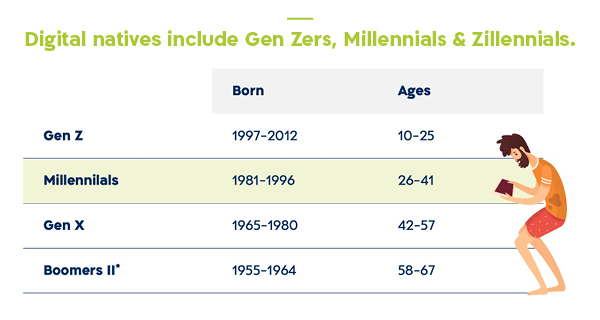 The millennials, also known as Generation Y, were born after 1980. They are now in their 30’s. Generation Z, as you can see in the table, is still young, but we will soon see them influencing our businesses. Since technology is changing very quickly, a sub-generation was born between the Millennials and Generation Z. Zillennials were born between ‘93-‘98 and were influenced by more advanced technology than the Millennials.
For their entire lives, digital natives have been surrounded by technology, social media, mobile devices, computers, and the internet. They speak this digital language as their mother tongue. They did not learn this language in their 20’s, 30’s, or later. They do not have an accent, so to speak.
The millennials, also known as Generation Y, were born after 1980. They are now in their 30’s. Generation Z, as you can see in the table, is still young, but we will soon see them influencing our businesses. Since technology is changing very quickly, a sub-generation was born between the Millennials and Generation Z. Zillennials were born between ‘93-‘98 and were influenced by more advanced technology than the Millennials.
For their entire lives, digital natives have been surrounded by technology, social media, mobile devices, computers, and the internet. They speak this digital language as their mother tongue. They did not learn this language in their 20’s, 30’s, or later. They do not have an accent, so to speak.
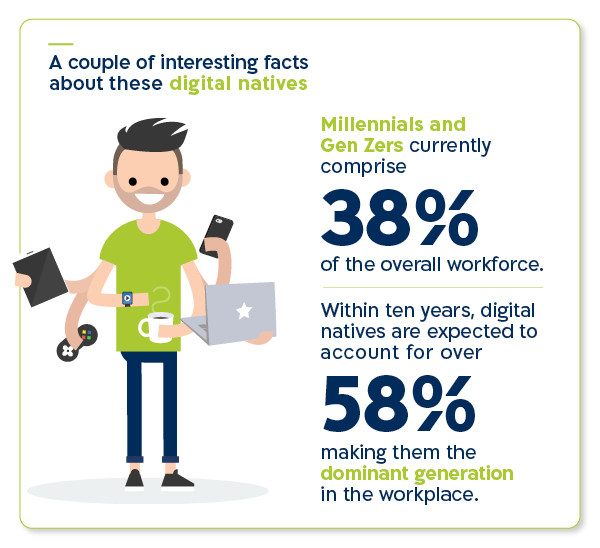
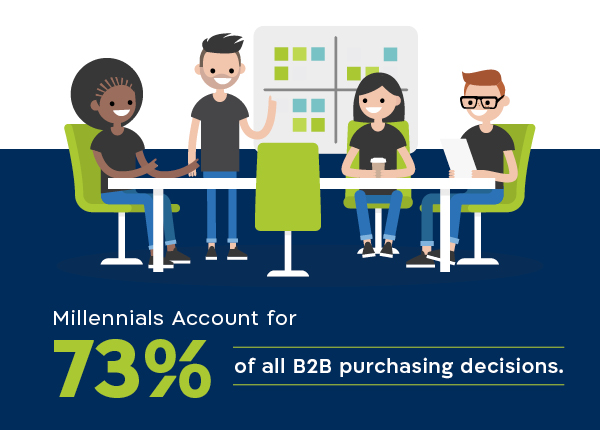 This impressive figure tells the whole story: More and more millennials and gen zers are entering the B2B decision journey, some as technological or professional influencers and others as decision-makers. It is important to note that among the people involved in decision-making, you usually meet several generations.
A few months ago, we at Oz Global B2B did a project for the American agricultural market. The intergenerational integration in the decision-making process that arose there was very prominent.
This impressive figure tells the whole story: More and more millennials and gen zers are entering the B2B decision journey, some as technological or professional influencers and others as decision-makers. It is important to note that among the people involved in decision-making, you usually meet several generations.
A few months ago, we at Oz Global B2B did a project for the American agricultural market. The intergenerational integration in the decision-making process that arose there was very prominent.
-
- A family business where the younger generation initiates a decision, and the founding generation approves it. Sometimes the founder initiates the decision but immediately passes it on to the younger generation to check online what the options are.
- A senior manager at a big business closes a deal, but the people in the field - professionals or salespeople - do not “speak” the same language. This will greatly affect the next purchase.
The Millennials and Gen Zers highly influence who will enter the decision funnel
About 50% of all product searches on the web are conducted by digital natives. The customer journey is long, complex, and involves many stakeholders.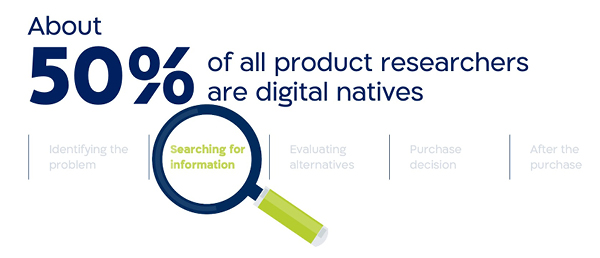 By the time the customer recognizes that he has a problem, we are, in most cases, not there. Identification is an internal stage from which someone is appointed to start researching information to find options for a solution.
50% of those who conduct the research and seek alternatives regarding a product or service, may not take an "official" part in decision-making but are the ones who put the relevant suppliers in the decision-making funnel. They are the ones who build the long list. They are the ones who decide whether or not you will be included in the “consideration group,” which is of critical importance.
By the time the customer recognizes that he has a problem, we are, in most cases, not there. Identification is an internal stage from which someone is appointed to start researching information to find options for a solution.
50% of those who conduct the research and seek alternatives regarding a product or service, may not take an "official" part in decision-making but are the ones who put the relevant suppliers in the decision-making funnel. They are the ones who build the long list. They are the ones who decide whether or not you will be included in the “consideration group,” which is of critical importance.
Two tips to gain the trust of digital natives:
1. Be authentic!
The generation that grew up on social networks, fake news, and unfounded marketing does not believe in marketing messages and does not believe in unproven statements. They have developed a hypersensitivity to online messages - they suffer from a blatant lack of trust in what is being said online. They continue to consume information online, but with a very large firewall. The bright side of it is that digital natives recognize authenticity when they see it..So what does authentic marketing look like?
-
- Get your executives to use social media Customers want to know the people behind the executives or the company representatives that they are in contact with.Make sure your site reveals who you are beyond your formal title. What topics do you choose to share? Who are your friends, what groups do you belong to, and to whom do you respond to?LinkedIn is not everything. Feel free to diversify to other social networks - Facebook, Instagram, Twitter, and even Tik Tok.
- Share user-generated content from real people Show real things, with real customers behind them. If you trust your product, let it tell your story.
- Go live on social media platforms Talk without filters. To digital natives this sounds obvious, to digital immigrants, it is less trivial. At first, the digital immigrants posted posts after editing them numerous times. Then they agreed to post an edited video. The transition to live video is scarier, but this is exactly the meaning of authenticity.
- Promote employee advocacy Empower your employees to share smart, quality content with their own social networks. On average, employee networks have 10x more connections than a company has followers. Plus, according to the Edelman Trust Barometer, people are 3x more likely to trust company information shared by an employee than that shared by a CEO.
2. Consumerize!
This word does not exist in the dictionary yet but already stars in the literature that follows trends in the B2B world. As Mona Akmal, Falkon CEO and Cofounder, once said, “As work and life flexibly intertwine, so must our approach to reaching our target users.” Gone are the days when the customer was a business person between 9-17 and a consumer on evenings and weekends. Studies show that the business customer is very much influenced by his consumer experience and expects to have a similar experience in business purchases. The customer experience touches on all stages of the journey - collecting information, placing an order, contacting the company up to paying.- More than 80% of B2B customers stated that they will look for a new supplier if their expectations in terms of customer service and user experience are not fulfilled.
- According to McKinsey & Co, B2B brands score below 50% on customer experience index ratings on average, compared to 65 to 85% for typical B2C brands.
- Gartner illustrates that 77% of B2B buyers report that their last purchase was very difficult or complex.
To sum up…
- The digital natives are digital animals. They were born into it, and it is their playground. It requires us to be present and comfortable in the digital space. Allow them to find us easily and learn about us in a convenient way that interests them. Allow them to easily consult, purchase and pay online.
- Life in the digital arena has taught them to be suspicious, not to believe everything they are told. They have developed the skills and expertise to recognize fake news when they see it. This requires us to be authentic in interactions with them, without filters and edits.
- Remember, before they are decision-makers, customers, or partners, they are first and foremost human beings. Their personal lives have seeped into their business life and it is very difficult for them to separate the two. So, we have no choice but to "consumerize" the way we treat them.
How to Get Started with B2B Videos
By
Liane Shalev
, 26/09/2019
When’s the last time you watched a video? Today? Yesterday?
Key takeaways from HUG Haifa #2, “All About Video”
When’s the last time you watched a video? Today? Yesterday? That puts you in good company. Humans love video. 1/3 of all time online is spent watching videos. In fact, 500 million people watch a video on Facebook every day. And here’s another mindboggling stat for you: Adding a video to your website can improve the chance of a front-page Google result by 53%. That’s right. It doubles your chances of getting onto the first page of Google. Yes, video is big. Yes, it needs to be an important part of your B2B marketing strategy. And no, it’s not nearly as hard as you think to get started with video.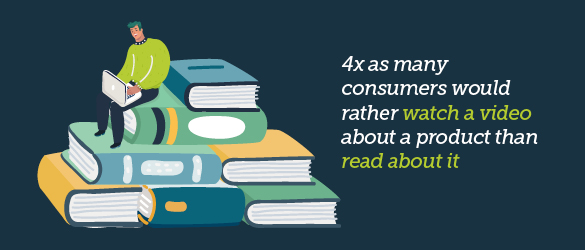 From tactic to strategy
Video has changed a lot in the past six years, points out Maria Trubicina, Senior Customer Success Manager at HubSpot. In 2013, videos were mostly passively watched on desktop or YouTube, hard to create and made by a few; in 2019, videos are actively watched on mobile or social, easy to create, and made by many.
This calls for a change – moving from video as a tactic (made by a creative team, highly produced, expensive, one to many, an awareness play, unmeasurable), to a strategy (made by all teams, low production, cheap, actionable, BOFU and measurable.)
Listen up!
To create relevant, actionable and engaging videos you need to get all your teams involved. That means talking to sales, quality control, production, legal, and even accounts. Every department will have a unique perspective about your product or service that you may not have even thought of. One video does not fit all. Each video needs to be tailored to the specific target market and goal. Make it simple. And keep it real.
What kind of videos should you be creating?
You’ll need to develop targeted videos for every stage of the flywheel and for every purpose – attract, engage and delight – and modify them to meet the needs of the specific channel (YouTube, social media, website).
From tactic to strategy
Video has changed a lot in the past six years, points out Maria Trubicina, Senior Customer Success Manager at HubSpot. In 2013, videos were mostly passively watched on desktop or YouTube, hard to create and made by a few; in 2019, videos are actively watched on mobile or social, easy to create, and made by many.
This calls for a change – moving from video as a tactic (made by a creative team, highly produced, expensive, one to many, an awareness play, unmeasurable), to a strategy (made by all teams, low production, cheap, actionable, BOFU and measurable.)
Listen up!
To create relevant, actionable and engaging videos you need to get all your teams involved. That means talking to sales, quality control, production, legal, and even accounts. Every department will have a unique perspective about your product or service that you may not have even thought of. One video does not fit all. Each video needs to be tailored to the specific target market and goal. Make it simple. And keep it real.
What kind of videos should you be creating?
You’ll need to develop targeted videos for every stage of the flywheel and for every purpose – attract, engage and delight – and modify them to meet the needs of the specific channel (YouTube, social media, website).
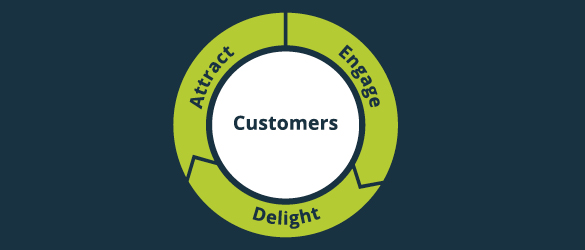
- Attract videos expand reach and build trust and credibility with your audience.
- Engage videos convert your visitors into leads and ultimately close them as customers.
- Delight videos encourage customers to embrace your brand and become brand evangelists.
- Increase brand awareness and attract customers to your site
- Help your prospects consider your solution to solve their problem
- Help your leads decide to do business with you
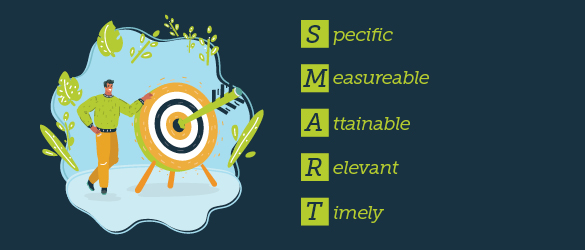 Where do you get the content from?
Chances are, you already have it. Take a look at your existing content. Which web pages were visited the most? What calls to action did users click on? What blogs were the most successful? Repurpose them into compelling stories. But make sure your video answers the key question your potential customers at the Attract and Engage stage are going to ask before deciding to watch or ignore your video: What’s in it for me? How are you solving MY problems?
Hold it! Don’t make these three mistakes.
Video content specialist Sivan Felder, from Two Heads Consulting, points out that many B2B companies make these mistakes:
Where do you get the content from?
Chances are, you already have it. Take a look at your existing content. Which web pages were visited the most? What calls to action did users click on? What blogs were the most successful? Repurpose them into compelling stories. But make sure your video answers the key question your potential customers at the Attract and Engage stage are going to ask before deciding to watch or ignore your video: What’s in it for me? How are you solving MY problems?
Hold it! Don’t make these three mistakes.
Video content specialist Sivan Felder, from Two Heads Consulting, points out that many B2B companies make these mistakes:
- You’re not the hero of the story. This isn’t about you. It’s about your customer (the hero) who has a crisis. He meets a guide (your company). And thanks to your product or service, he survives or thrives.
- The laws of human psychology apply to your target customer as well. Behind every rational purchasing decision is an emotion. Identify it and speak to it. Help your prospective customers out of confusion and into clarity. And remember to tell them what they need to hear (as opposed to what you want to say.)
- A one-size-fits-all video. We’ve already said it, but we’ll say it again. Your customers want to hear different things from you at different stages. What are the touchpoints? Where are customers going to come into contact with your video and how are you planning to get your video out there?
- Play rate — the percentage of people who played your video divided by the number of impressions)
- Clickthrough rate — the number of times your call to action is clicked divided by the number of times its viewed
- Conversion rate — the number of times your visitors completed your desired action divided by the number of clicks on your call to action
- Make your videos an interactive experience. Use smart CTAs and embedded forms.
- Increase SEO effectiveness. Finetune your meta info to make it easy for search engines to find you.
- Monitor performance. Keep track of your video views, clickthroughs and conversions, so you can optimize them accordingly.
- Build relationships. Record one-to-one videos directly from the CRM and send directly from email.
- Provide better customer service. Use videos to improve the service experience and provide helpful tips or troubleshooting advice.
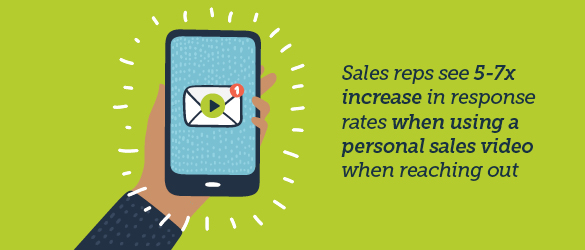 Video goes way beyond creating awareness and nurturing leads. It can also help you build relationships and excel in customer service.
Ready? Hit record!
If you have HubSpot and want to get started with video marketing, contact us!
Don’t miss out! Join a HUG
These great tips are just a taste of what we talked about during our HubSpot User Group meeting, All About Videos. HubSpot makes it easy to make video an integral part of your marketing mix. Take advantage of all these great resources. Get some practical advice on how to get started with video marketing. Or take one of HubSpot’s great free video courses.
Video goes way beyond creating awareness and nurturing leads. It can also help you build relationships and excel in customer service.
Ready? Hit record!
If you have HubSpot and want to get started with video marketing, contact us!
Don’t miss out! Join a HUG
These great tips are just a taste of what we talked about during our HubSpot User Group meeting, All About Videos. HubSpot makes it easy to make video an integral part of your marketing mix. Take advantage of all these great resources. Get some practical advice on how to get started with video marketing. Or take one of HubSpot’s great free video courses.
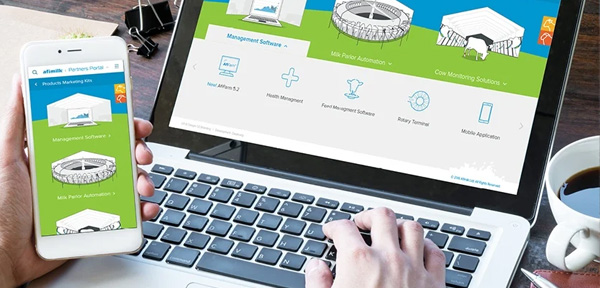
Moo-ving it up a notch with user experience
By
Miri Peled
, 10/10/2017
To encourage Afimilk’s dealers to make more purchases online and to give them access to marketing materials, OZ designed an intuitive online partner portal.
Afimilk case study: partner portal
In the world of B2B, it’s really important to nurture partner relationships and find ways to make it easier for our partners and distributors to satisfy the needs of their (and our) end customers. In this manner, you can create a win-win situation where both your customers (distributors) are happy and their customers (end users) are happy with your brand. Recently, as part of our ongoing services for Afimilk – a global leader in advanced dairy management technology solutions – we created a unique and creative solution for its partners. With the goal of encouraging Afimilk’s dealers to make more purchases online and give them easy access to marketing materials, we designed an integrated and intuitive online partner portal. This portal provides end-to-end marketing and sales support, and an easy-to-use online ordering system. It includes three valuable tools that are also integrated with Afimilk’s ERP system:- Knowledge center – with marketing resources including brochures, presentations, and supporting materials to help dealers promote Afimilk solutions.
- Configurator wizard – builds price quotations tailored to customer requirements while promoting Afimilk’s preferred solutions.
- Market gate – intuitive online ordering system tailored for Afimilk partners to encourage online ordering.

Moving to a business-to-business-to-user mindset (B2B2U©)
By
Dina Gidron
, 10/09/2017
Communicate with both intermediary customers and patient-consumers in this new age of healthcare by transitioning to a Business-to-Business-to User model.

It’s all about the people and building relationships
By
Miri Peled
, 09/08/2017
We worked together to develop a new visual identity that stands out in the global market and is also centered around Trendlines’ two foundational principles.
 In the case of Trendlines Group – an innovation commercialization company that invents, invest in, and incubates innovation-based technology – global expansion and going public on the Singapore stock exchange were the main catalysts for looking to OZ for rebranding.
As we've been partnering with Trendlines for the last 20 years, it was natural that the company turned to us for support at this significant point of growth.
Against the backdrop of our long-term relationship, we worked together to develop a new visual identity that stands out in today's global market and is also centered around Trendlines’ two foundational principles:
In the case of Trendlines Group – an innovation commercialization company that invents, invest in, and incubates innovation-based technology – global expansion and going public on the Singapore stock exchange were the main catalysts for looking to OZ for rebranding.
As we've been partnering with Trendlines for the last 20 years, it was natural that the company turned to us for support at this significant point of growth.
Against the backdrop of our long-term relationship, we worked together to develop a new visual identity that stands out in today's global market and is also centered around Trendlines’ two foundational principles:
It’s about the people AND building relationships
Because Trendlines Group’s hands-on investment approach and commitment to improve the human condition through innovation are inseparable parts of the company's character, the refreshed visual identity rests strongly on these principles. The result – a new compelling brand and visual identity – was launched at Trendlines’ 7th Annual Trendlines Company Showcase attended by hundreds of biomedicine industry professionals from around the world, and sponsored by companies worldwide.
Inbound for Medical & Healthcare Companies Event
By
Miri Peled
, 23/07/2017
We held an Inbound for Medical & Healthcare Companies event where industry experts shared multiple insights on marketing for medical and healthcare industries.
- Matt Brown, HubSpot Specialist from Boston – US Trends in Healthcare Marketing
- Dina Gidron, VP Strategy at OZ – Opening New Channels of Communication
- Mickey Nave, Corporate Marketing Director at Lumenis – Medical marketing: generating leads that your sales team will love
- Bat-chen Grinberg, Founder of MC Forum – Digital tools that reduce your work overload
- The age of “Social Health”. The combination of healthcare reforms, the age of consumerism and mobile technology is creating the perfect climate for change in healthcare.
- We see YOU, we know YOU, we understand YOU, we want to help YOU. The digital revolution is transforming the way we do business as we shift from a Business-to-Business (B2B) to a Business-to-Business-to-User (B2B2U©).
- Patient-consumers are the center of the universe. As patient-consumers become the single most important factor in this new era, we need to open up direct channels of communication with them to understand their challenges, increase brand awareness and create bottom-up demand.
- Trends in medical and healthcare. Patient-consumers are avid researchers; marketers are targeting patient-consumers AND payers; digital channels are overtaking traditional marketing channels; and digital content is key to the decision process.
- Brands must recognize social health and deliver value across the full spectrum to drive leads, convert prospects to customers and keep them loyal.
- Inbound marketing and content marketing are well-suited to the medical and healthcare industry as it promotes targeted communication, trust-based decision-making, long-term relationships, and thought leadership and industry expertise.